
Generation Dysregulated
Vagus Nerve Dysfunction and the Rise of Emotional Shutdown

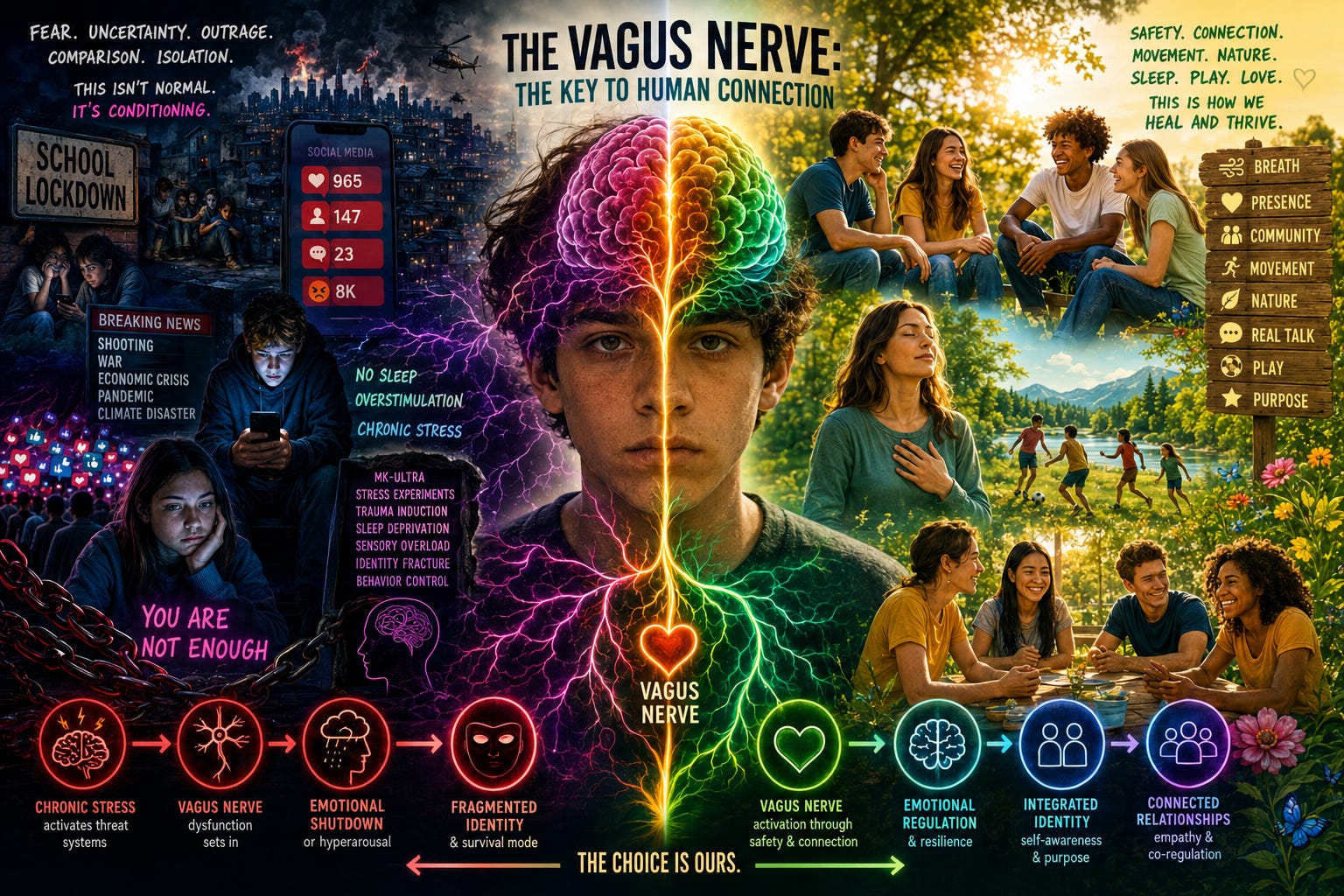
There is a look that people keep joking about, but the more I think about it, the less funny it actually becomes. Everyone calls it the “Gen Z stare.”
The flat expression. The emotionally vacant eyes. That strange disconnected look where someone seems physically present but neurologically somewhere else entirely.
Teachers notice it. Parents notice it. Therapists notice it. Even younger people joke about it themselves because on some level they recognize it too. But I honestly do not think this is just some harmless social trend, bad manners, laziness, or “kids these days.”
I think we may be looking at the visible effects of chronic vagus nerve dysfunction happening at a generational scale, and once you start looking at modern culture through that lens, an enormous amount of behavior suddenly starts making disturbing sense.

People keep reducing this conversation to phones, but phones are only one piece of a much larger environmental assault on the human nervous system. The phone is not the only etiology of this “dis-ease”. It is one of many types of a delivery mechanism. The real issue is the environment modern humans are developing inside. You cannot raise children and teenagers in non-stop stress, fear mongering conditioning, social comparison, emotional overstimulation, sleep deprivation, digital surveillance, isolation, economic instability, public humiliation culture, and constant exposure to catastrophe and then expect healthy emotional development to naturally emerge from that. That is not how biology works (and of course add on all the other assaults onto that like nutritionless foods, pesticides, EMFs and other types of bioelectric health disrupting mechanisms, pharmaceuticals, and so on…). Human beings adapt to environments whether the adaptation is healthy or not.
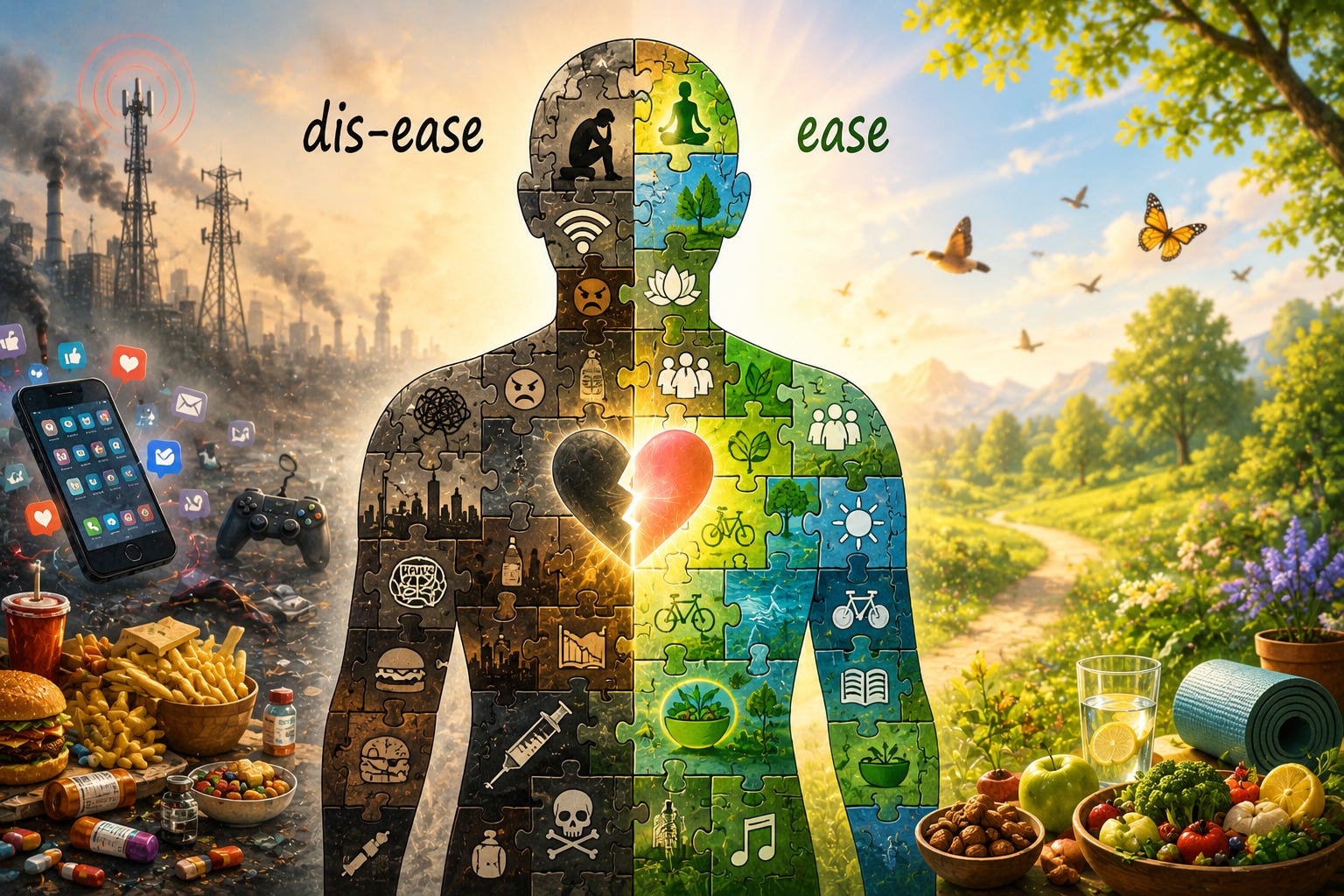
The Vagus Nerve Is Deeply Connected to What Makes Us Human
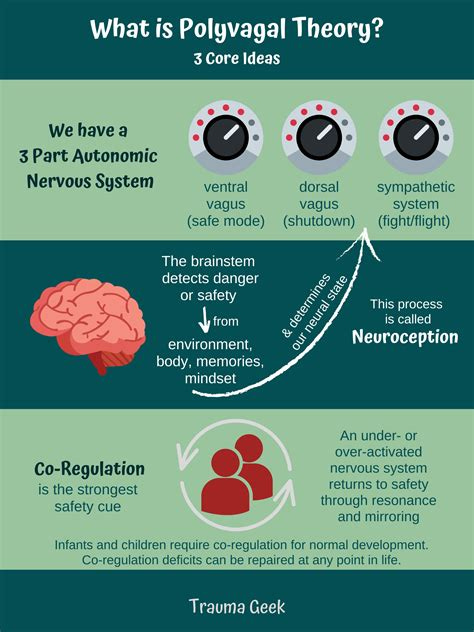
The vagus nerve gets talked about now almost like some trendy wellness term, but it is one of the most important regulatory systems in the body. It is deeply tied to emotional regulation, facial expression, social engagement, vocal tone, heart rate variability, digestion, inflammatory regulation, and the body’s ability to move out of stress states and back into safety and connection. In many ways, the vagus nerve helps determine whether the world feels safe enough for empathy, intimacy, reflection, vulnerability, and emotional openness in the first place.
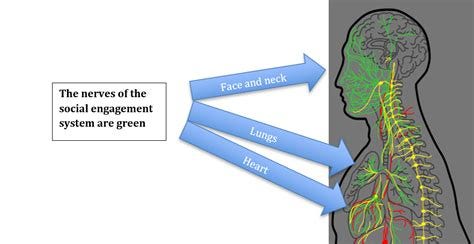
When vagal tone is healthy, people generally have a greater ability to regulate emotion, maintain eye contact, recover after stress, tolerate discomfort, emotionally attune to others, and stay socially connected without immediately shifting into defense. But when vagal function becomes chronically disrupted through fear, overstimulation, trauma, isolation, inflammation, sleep disruption, emotional overload, or nonstop stress exposure, something profound starts happening.
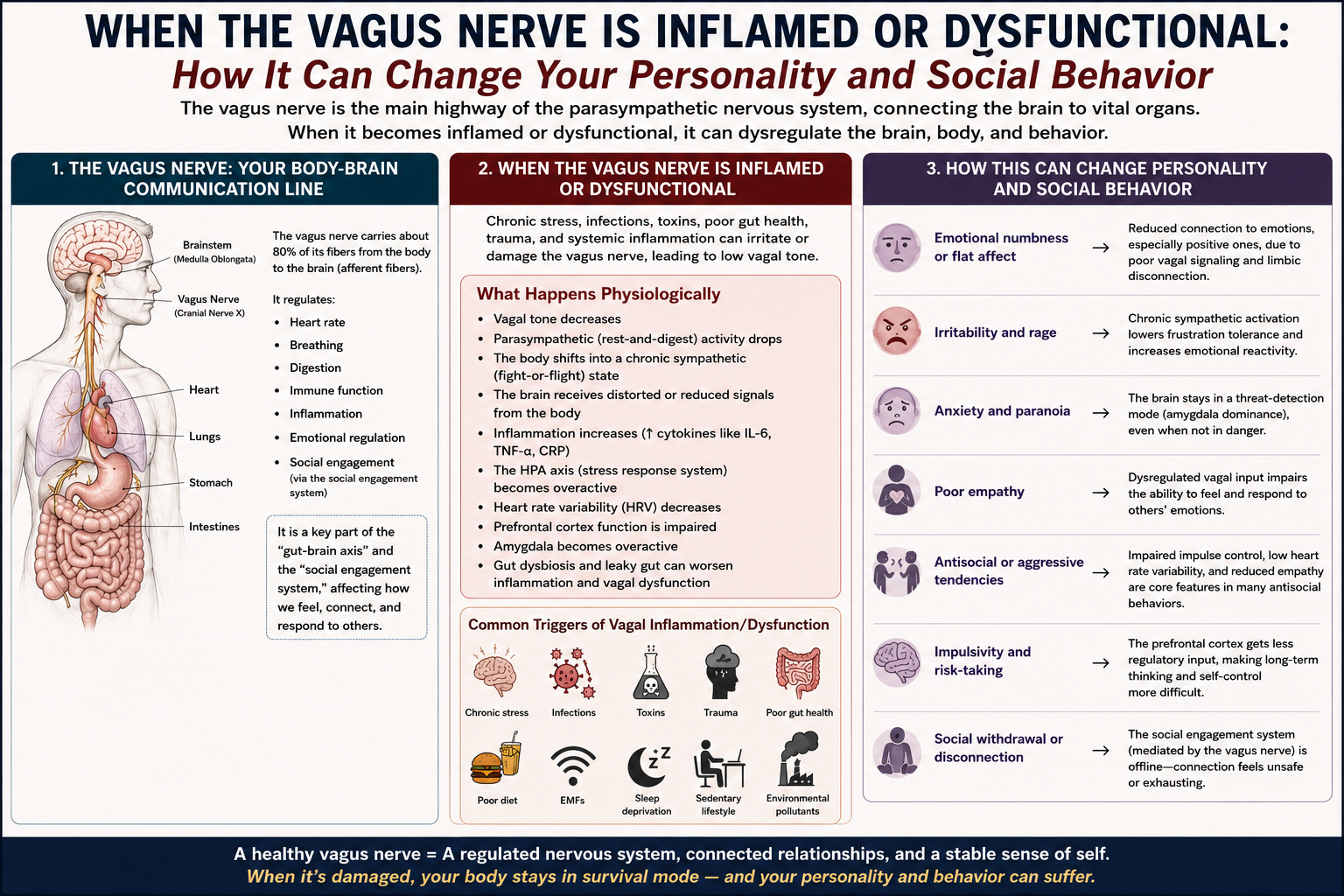
People stop relating from connection and start relating from defense. That changes personality itself.
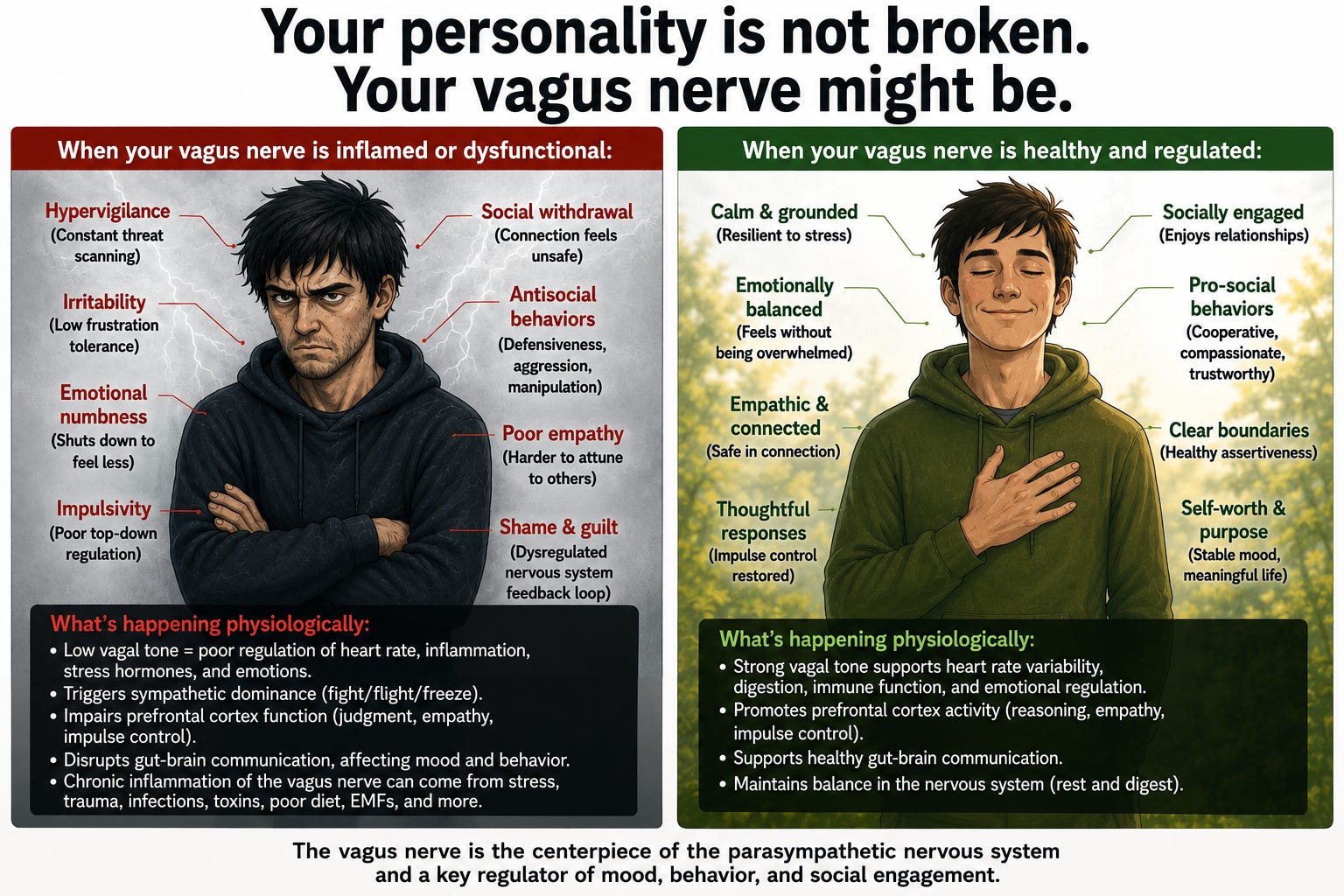
This is the part modern culture keeps missing entirely. Empathy is not simply some moral decision floating abstractly above the body. Empathy requires physiological conditions that allow the brain and nervous system to feel safe enough to open toward another person. A nervous system trapped in chronic threat physiology does not primarily experience the world relationally. It experiences the world defensively. The self becomes the emergency. Attention narrows inward. Other people stop feeling like fully alive human beings and start feeling like threats, audiences, competitors, burdens, validation sources, or obstacles. That is where the modern explosion of narcissistic traits becomes incredibly interesting.

What If Modern Narcissism Is a Vagus Nerve Problem?
Obviously real narcissistic personality disorder exists, but culturally there seems to be an explosion of narcissistic traits everywhere now. Fragile egos. Constant validation seeking. Obsession with image. Performative identities. Emotional shallowness. Lack of attunement. Public emotionality combined with profound private emptiness. Everyone branding themselves. Everyone curating themselves. Everyone watching themselves being watched. People increasingly seem unable to tolerate criticism, uncertainty, discomfort, or emotional intimacy without collapsing into defensiveness.


Most people frame this purely as moral decline or psychological dysfunction, but what if a huge piece of it is physiological? What if many modern behaviors are partially downstream effects of chronically damaged vagal regulation? Because chronic vagus nerve dysfunction pushes the body toward defensive survival states. Fear pulls consciousness inward. The body becomes preoccupied with self preservation, identity protection, emotional control, and threat detection. That can absolutely create personalities that appear more narcissistic, emotionally detached, reactive, validation dependent, and self focused.


That does not mean the vagus nerve “causes narcissism” in some simplistic way. It means chronic autonomic dysregulation may shape the conditions where narcissistic traits flourish. Personality does not float above the body. Personality emerges through the body. Through stress chemistry, breath patterns, inflammation, sleep quality, emotional safety, attachment experiences, posture, nervous system conditioning, and social engagement. The vagus nerve and personality are inseparable whether modern psychology fully wants to admit that yet or not.

A Generation Raised Inside Chronic Fear Conditioning
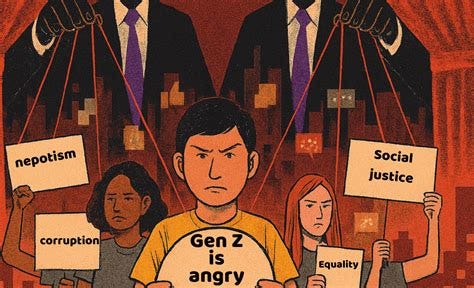
Millennials, Gen Z, and the generations developing after them have grown up under a completely different kind of stress exposure than previous generations. Humanity has always endured hardship. Earlier generations lived through wars, poverty, famines, economic collapse, and enormous physical struggle. But most of those stressors were often localized, time limited, community processed, and grounded in physical reality. People still had stronger face to face social structures, slower nervous system pacing, more embodied living, less digital overstimulation, less isolation, and far less psychological bombardment every waking hour of the day.
What also seems to have changed is not simply that modern people experience stress. It is the type, frequency, constancy, and inescapability of the stress combined with the complete rewiring of the human environment. Modern stress is ambient. It follows people everywhere. Children now grow up inside nonstop psychological activation. School shooting drills became normalized before many kids even understood multiplication tables. Terrorism fear saturated culture after 9/11. Economic instability became permanent background noise. Then came social media, which transformed identity itself into a public performance measured through likes, followers, views, and algorithmic approval.
Add nonstop outrage cycles, doomscrolling, public shaming culture, algorithmic comparison, pandemics, social fragmentation, chronic sleep disruption, isolation, digital surveillance, overstimulation, and constant exposure to global catastrophe through screens, and you suddenly have entire generation Z developing inside continuous nervous system activation with almost no true recovery periods.
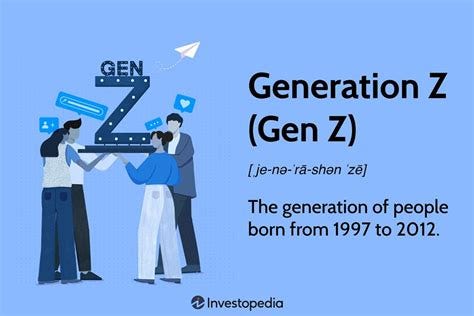
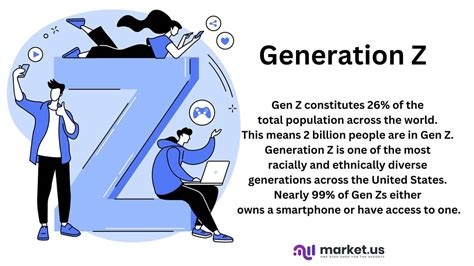
Previous generations certainly endured trauma, but they were not simultaneously carrying a tiny glowing psychological warfare device in their pocket 24 hours a day constantly feeding fear, comparison, outrage, instability, stimulation, and social judgment directly into the nervous system.
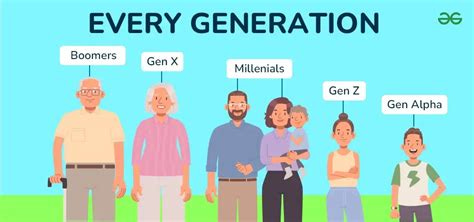
That level of chronic physiological activation appears historically unprecedented, and the vagus nerve may be absorbing the consequences of it.

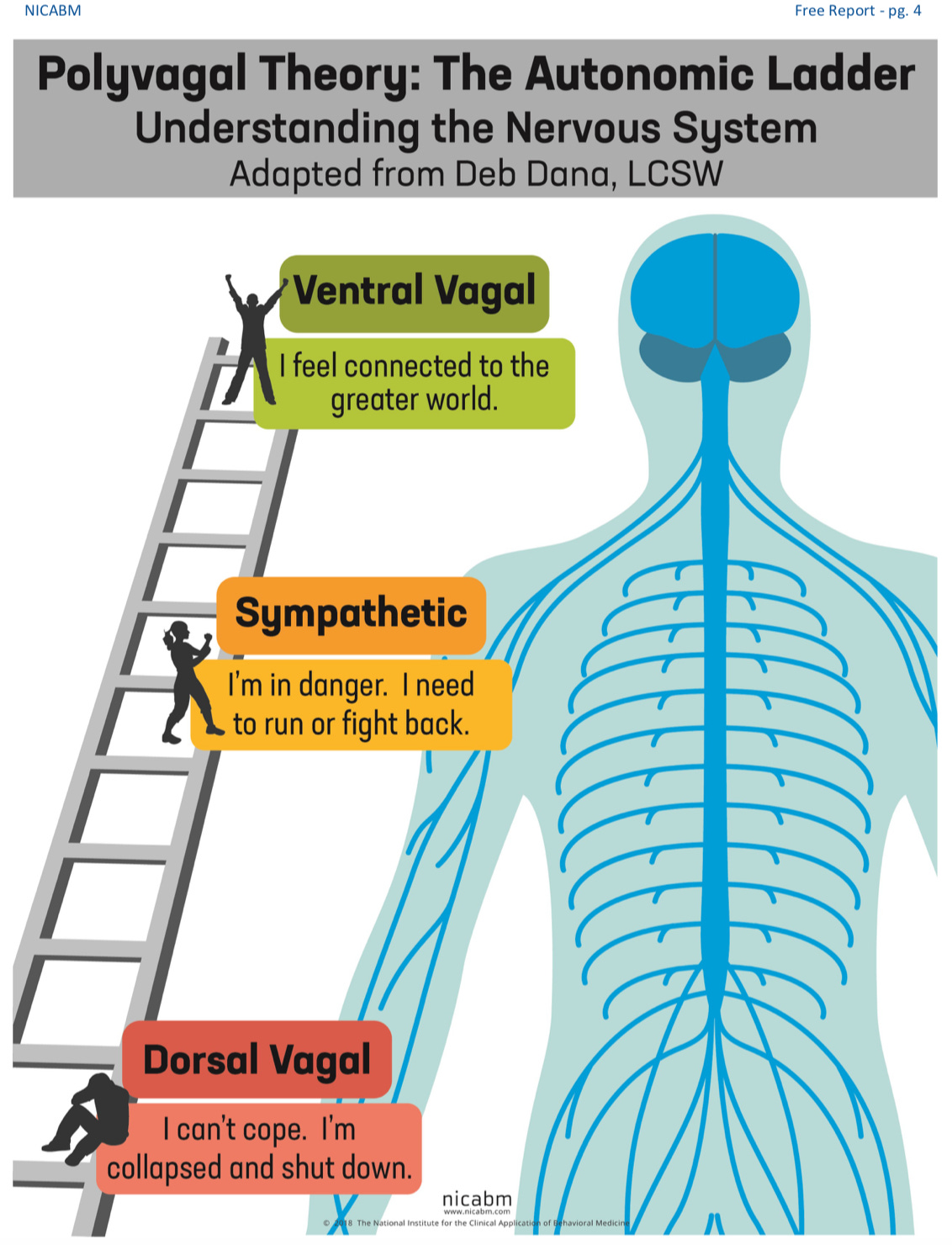
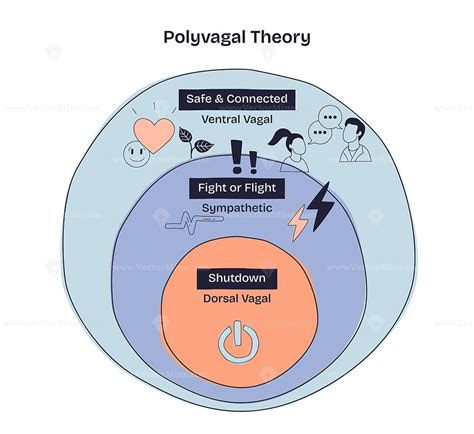
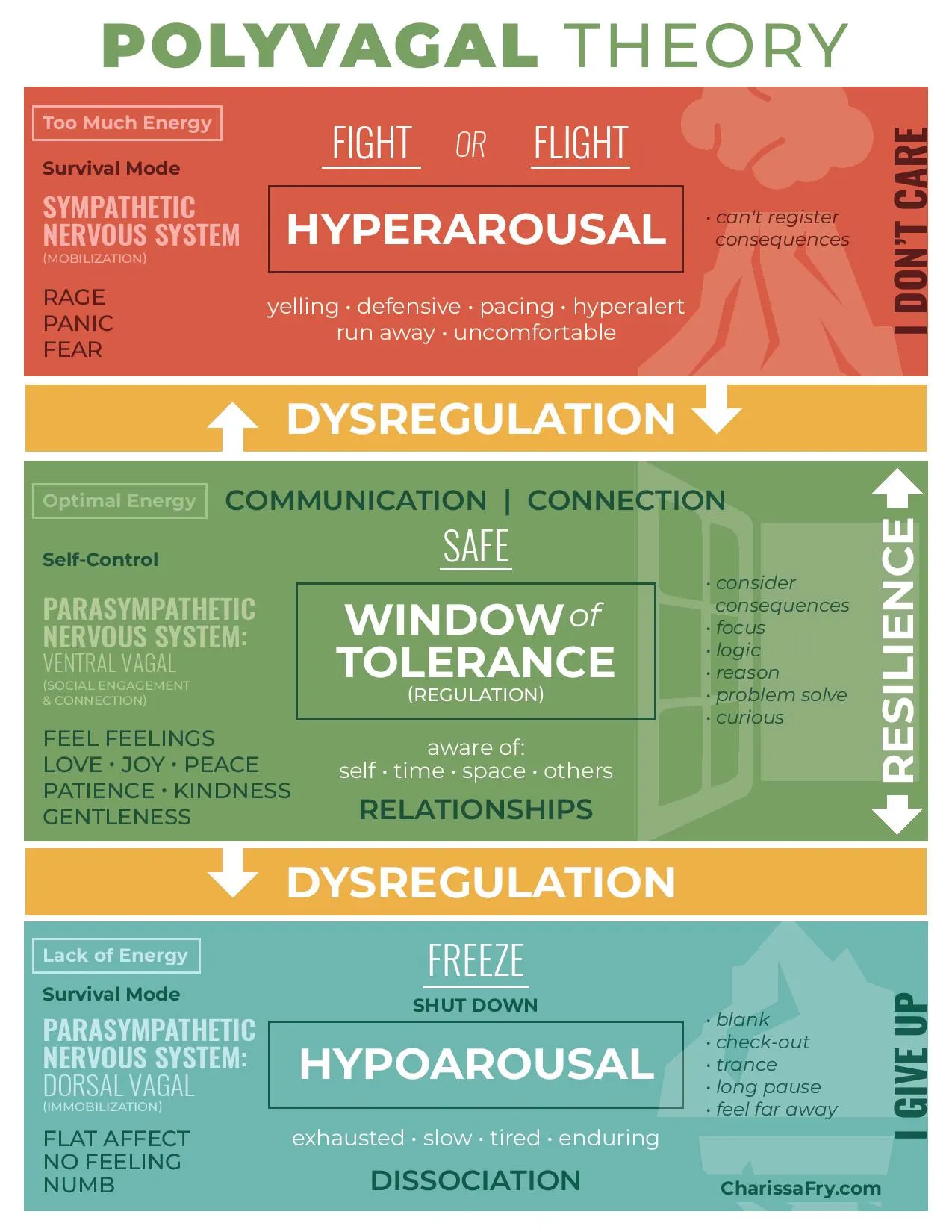
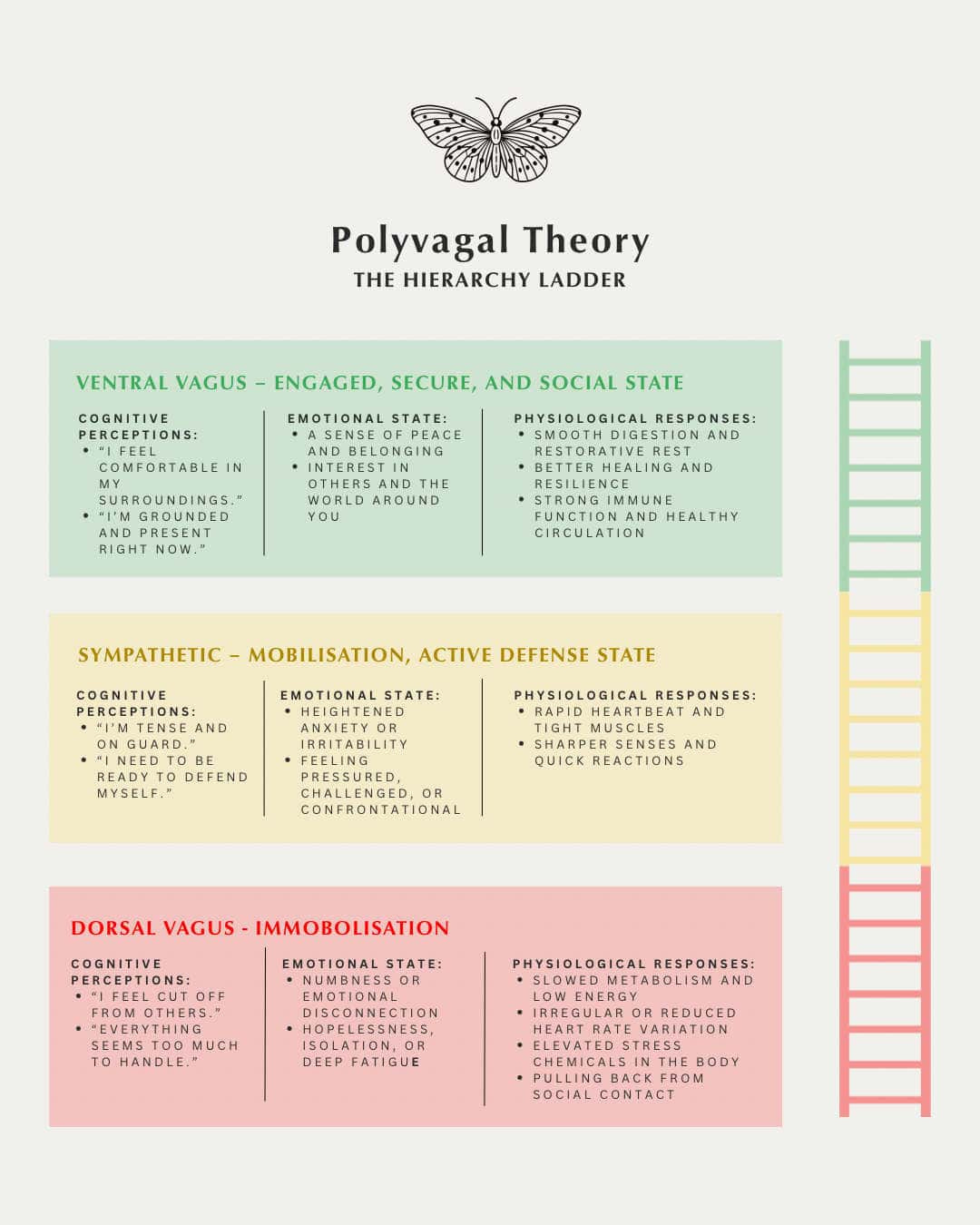
Modern life has been a constant loop lately where no prolonged period of true physiological or psychological safety exists. That is important to recognize as the vagus nerve is extremely sensitive to chronic stress exposure. When the body remains activated too long, vagal regulation weakens. Recovery becomes harder. Emotional flexibility decreases. Social engagement becomes more difficult. People become more emotionally numb, dissociated, reactive, hyper vigilant, shut down, or self protective. The body adapts around chronic threat, and over time that adaptation can absolutely shape personality development itself.

The “Gen Z stare” becomes much darker viewed through this lens. Maybe the blank expression people keep noticing is not laziness or apathy. Maybe it is vagal shutdown. The vagus nerve plays a major role in facial expressiveness, emotional signaling, eye engagement, and social responsiveness. When vagal function is impaired, the face itself can become flatter and less emotionally animated. The person may appear detached, unreachable, emotionally absent, or strangely disconnected even when they are technically present. That does not necessarily mean the person feels nothing internally. Often the opposite is true. The nervous system may actually be overloaded. But overload and shutdown can outwardly resemble emotional emptiness. This is one reason so many younger people simultaneously seem emotionally hypersensitive and emotionally unavailable at the same time. Their systems may be oscillating between hyper activation and vagal collapse over and over again.

Phones Are Not the Cause. They Are the Amplifier
People keep blaming phones alone, but phones are really just one tool inside a much larger environmental assault on vagal regulation. Look at the posture associated with phone use itself. Head down. Chest collapsed. Shallow breathing. Reduced eye contact. Narrowed environmental awareness. Minimal movement. Continuous stimulation. Constant dopamine cycling. Now combine that with sleep disruption, social comparison, fear based media, reduced outdoor activity, isolation, fragmented real world connection, and nonstop emotional stimulation. This entire environment pushes the body away from healthy vagal regulation.
Is Your Vagus Nerve Mad at You?

Somewhere inside you is a long wandering nerve that behaves a bit like an exhausted parent at a crowded grocery store. It tries to keep everyone calm. It tries to keep the digestive aisle from exploding. It tries to keep the heart rate aisle from throwing a tantrum. It tries to keep the brain aisle from quitting life and hiding in the freezer section. T…
Humans regulate through embodied connection. Through faces, tone, touch, movement, eye contact, safe relationships, laughter, play, shared presence, and emotional co-regulation. Digital culture increasingly replaces those things with stimulation instead of regulation, and that distinction matters enormously. Stimulation is not the same thing as social and emotional nourishment and interpersonal connectivity.





The Brain Under Chronic Vagal Dysfunction
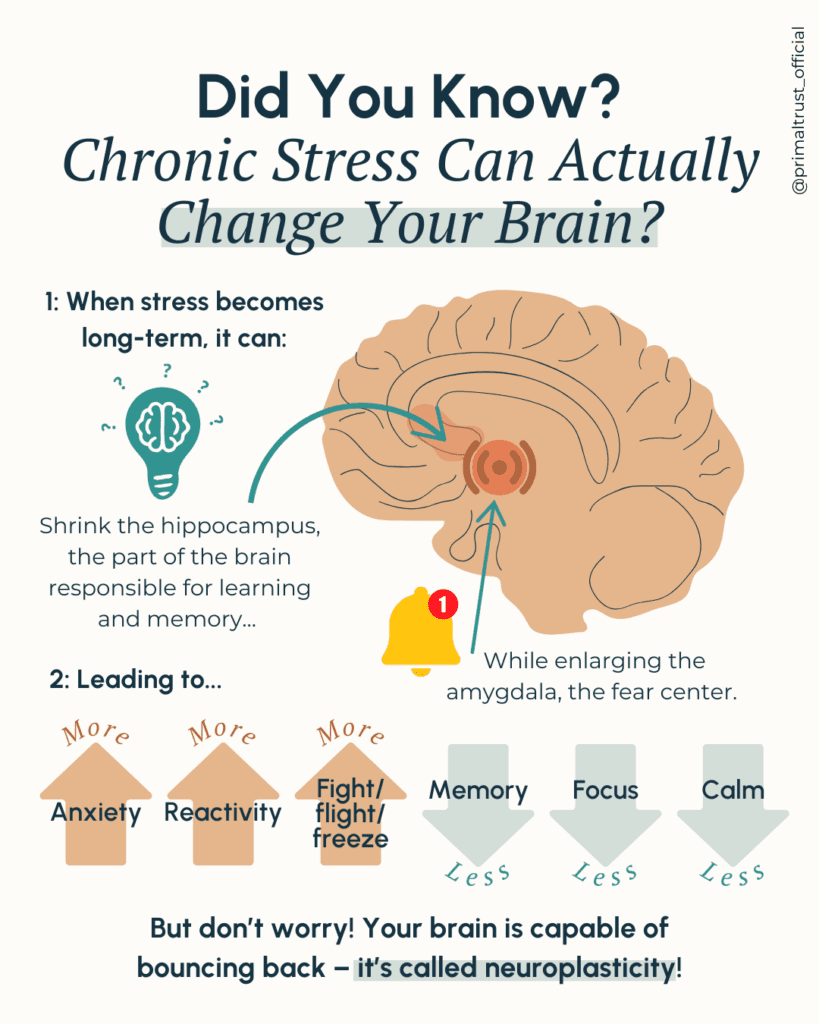
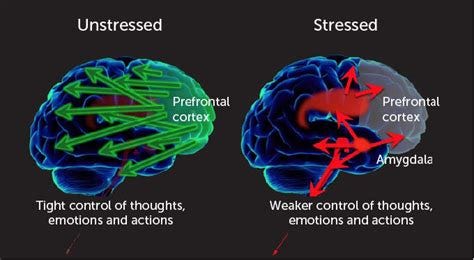
The vagus nerve does not operate separately from the brain. It is in constant communication with major emotional and social processing systems. Under chronic stress and poor vagal regulation, the amygdala can become hyper reactive, increasing threat sensitivity and emotional defensiveness. The prefrontal cortex, which helps with impulse control, empathy, emotional regulation, reflection, and moral reasoning, becomes less effective under prolonged stress states.
The anterior cingulate cortex and insula, both heavily involved in empathy, emotional awareness, social pain, and internal body awareness, are also influenced by autonomic regulation and stress physiology.
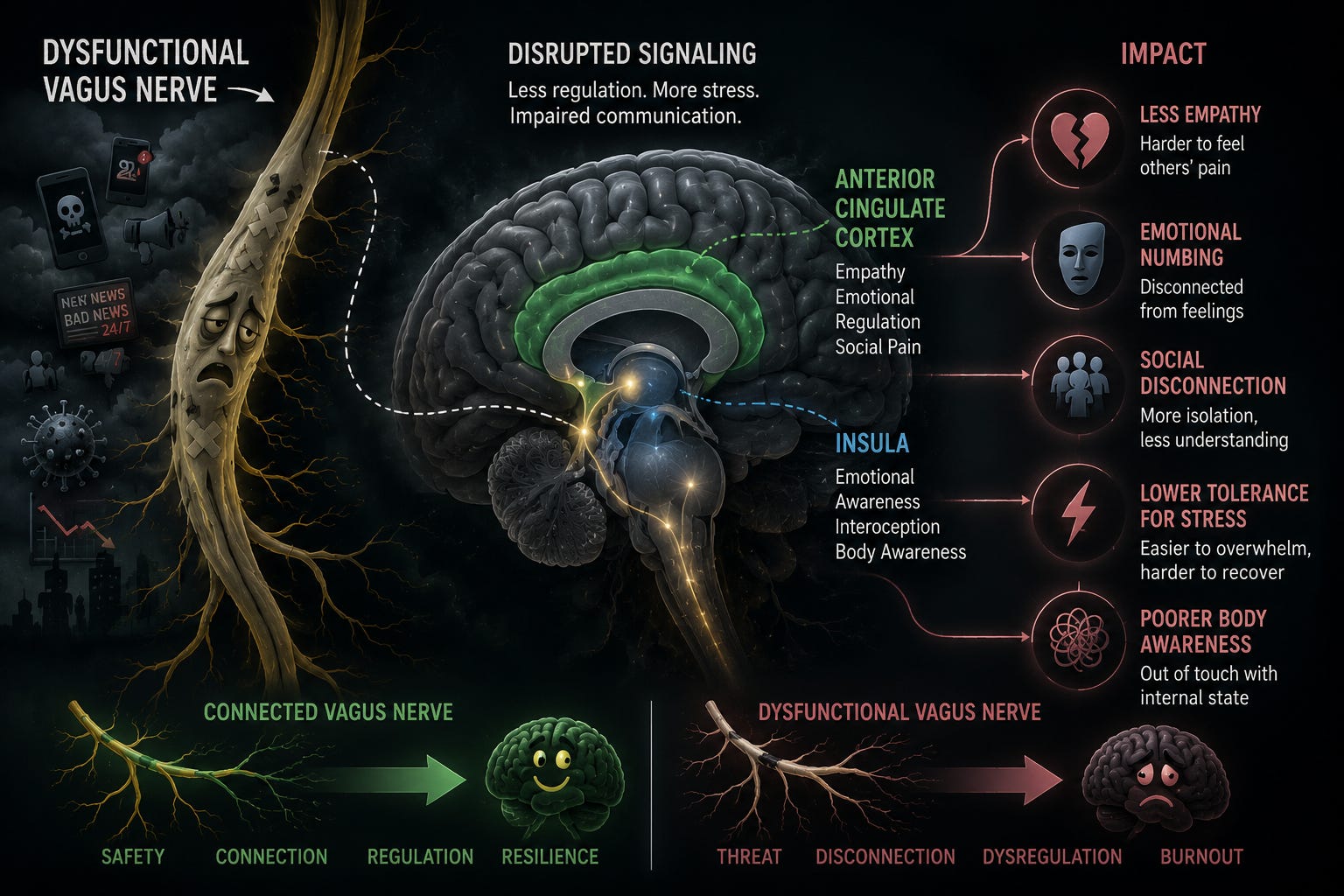
A body trapped in chronic vagal dysfunction changes how the brain interprets reality itself. The person becomes more reactive to rejection, more emotionally rigid, more self protective, more dependent on external validation, and less capable of nuanced emotional attunement. Again, that starts looking an awful lot like the very isolating modern narcissistic culture of today.

MK Ultra and the Discovery That Stress Can Fracture Personality
This is where the conversation becomes deeply uncomfortable. Programs like Project MKUltra were real. Most people focus on the LSD experiments, but underneath those programs was a much darker obsession: how to destabilize human beings psychologically enough to reshape behavior itself. The researchers explored trauma, fear, isolation, sensory overload, unpredictability, emotional destabilization, identity fragmentation, sleep disruption, and dissociation.
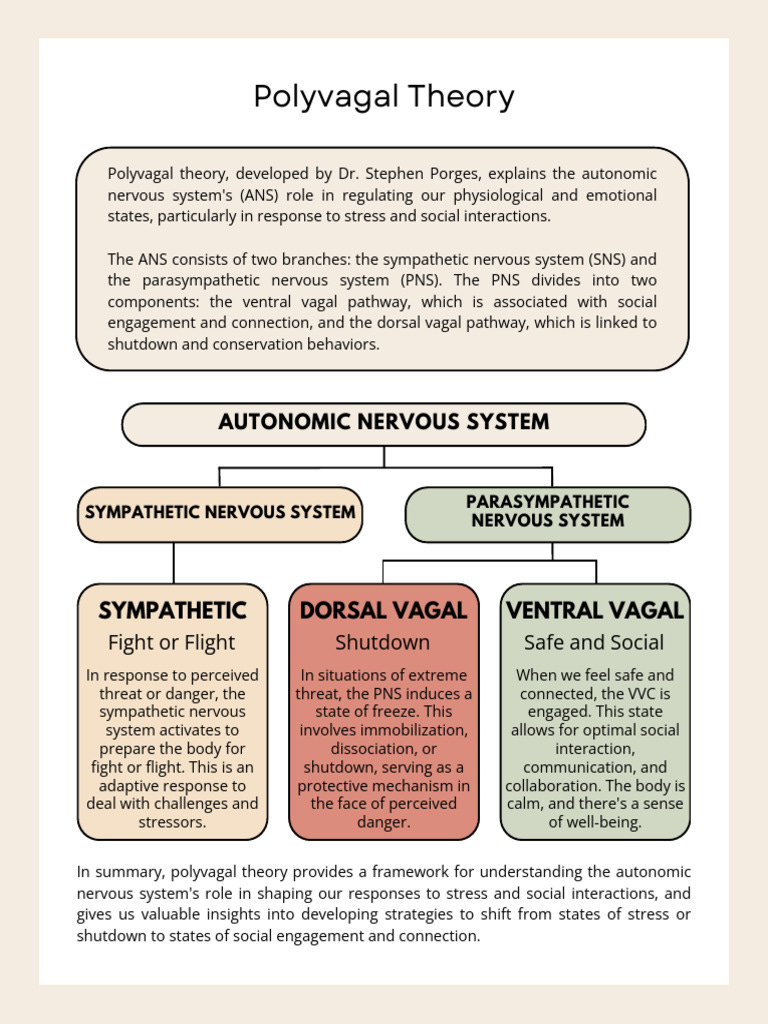
Modern Polyvagal Theory had not yet been formally developed, so they were not using the language of “vagus nerve dysfunction,” but functionally much of what they were studying involved disrupting the body’s regulatory systems through prolonged fear, stress, confusion, and emotional overload. Because once vagal regulation begins breaking down, personality itself becomes more unstable. A person with impaired vagal function becomes easier to destabilize emotionally, easier to fracture psychologically, easier to manipulate through uncertainty and emotional triggering. That is one of the terrifying discoveries hiding underneath programs like MK Ultra. Prolonged stress can fundamentally alter perception, emotional regulation, identity stability, memory integration, and behavior itself.
Modern Society Looks Like Continuous Low Grade MK Ultra
This is where the parallels become difficult to ignore. Modern culture increasingly resembles a low grade continuous assault on vagal regulation. Constant fear exposure. Constant stimulation. Constant uncertainty. Constant outrage. Constant social comparison. Constant surveillance. Constant emotional triggering. Constant identity destabilization. Not necessarily through some cartoon conspiracy where one mastermind controls everything, but through systems that profit from emotional activation itself. Controlling the emotional functioning and reactivity of a whole generation.
Fear captures attention. Anxiety captures attention. Outrage captures attention. Dysregulated humans stay engaged longer. And chronic engagement often means chronic vagal disruption. A person trapped in poor vagal regulation becomes easier to manipulate psychologically because survival states narrow cognition. Fearful people seek certainty. Dysregulated people become reactive instead of reflective. Exhausted people lose nuance. Overstimulated people lose depth. The body becomes easier to steer emotionally because the person is no longer operating primarily from calm social engagement but from chronic physiological defense. (This is not the best video but it has some good stuff in it that touches on what may be going on).
The Collapse of Human Co-Regulation
One of the most tragic parts of modern life is that the exact things that strengthen vagal regulation are disappearing. Slow conversations. Stable families. Loving touch. Eye contact. Time in nature. Community rituals. Boredom. Shared meals. Intergenerational relationships. Emotional repair after conflict. Play. Silence. Predictability. Human presence. Instead, people increasingly live inside artificial stimulation loops disconnected from embodied regulation. Then society acts shocked when empathy collapses. Humans are co-regulating organisms. Our vagus nerves constantly influence each other. Calm spreads socially. Fear spreads socially. Dysregulation spreads socially. A society saturated in chronic vagal disruption eventually begins producing personalities shaped more around defense and irritability than real connection, but may be easier to manipulate and control.




Maybe This Is the Real Mental Health Crisis?
I honestly think future generations may look back at this period and realize we dramatically underestimated the role the vagus nerve plays in shaping culture itself. Empathy is seen as a moral abstraction instead of a physiological capacity. Personality is seen as something almost floating above the body instead of something emerging through the body. Chronic stress is often viewed as an emotional inconvenience instead of understanding how this loop how deeply alter vagal regulation, emotional processing, attachment, identity formation, and social behavior. Maybe the world is not simply witnessing a rise in narcissism. Maybe we are witnessing what happens when millions of vagus nerves are chronically pushed out of regulation by a civilization built around fear, stimulation, instability, emotional overload, and continuous low grade psychological warfare against the human capacity for connection itself.

I do think there's also the fact that most of these People were jabbed at a very young age, and even had a series of jabs. Not to say that is the only factor, but I do not doubt it impact Our children.
I know this feeling