
🔥 Breath of Fire
Because Existing in 2026 Is a Full-Time Stress Disorder

Breath of Fire sounds like something invented by an ancient warrior monk who meditated on mountaintops and probably had terrifyingly good posture. Instead, it is a yogic breathing technique that has somehow survived thousands of years and is now being rediscovered by stressed-out modern humans whose nervous systems are hanging on by caffeine, adrenaline, and pure emotional duct tape. The technique itself is simple but intense. Rapid rhythmic breathing through the nose powered by quick contractions of the diaphragm while the inhale happens naturally on its own. It is fast, energizing, almost hypnotic once you lock into the rhythm, and after a few minutes you understand why people become obsessed with it.

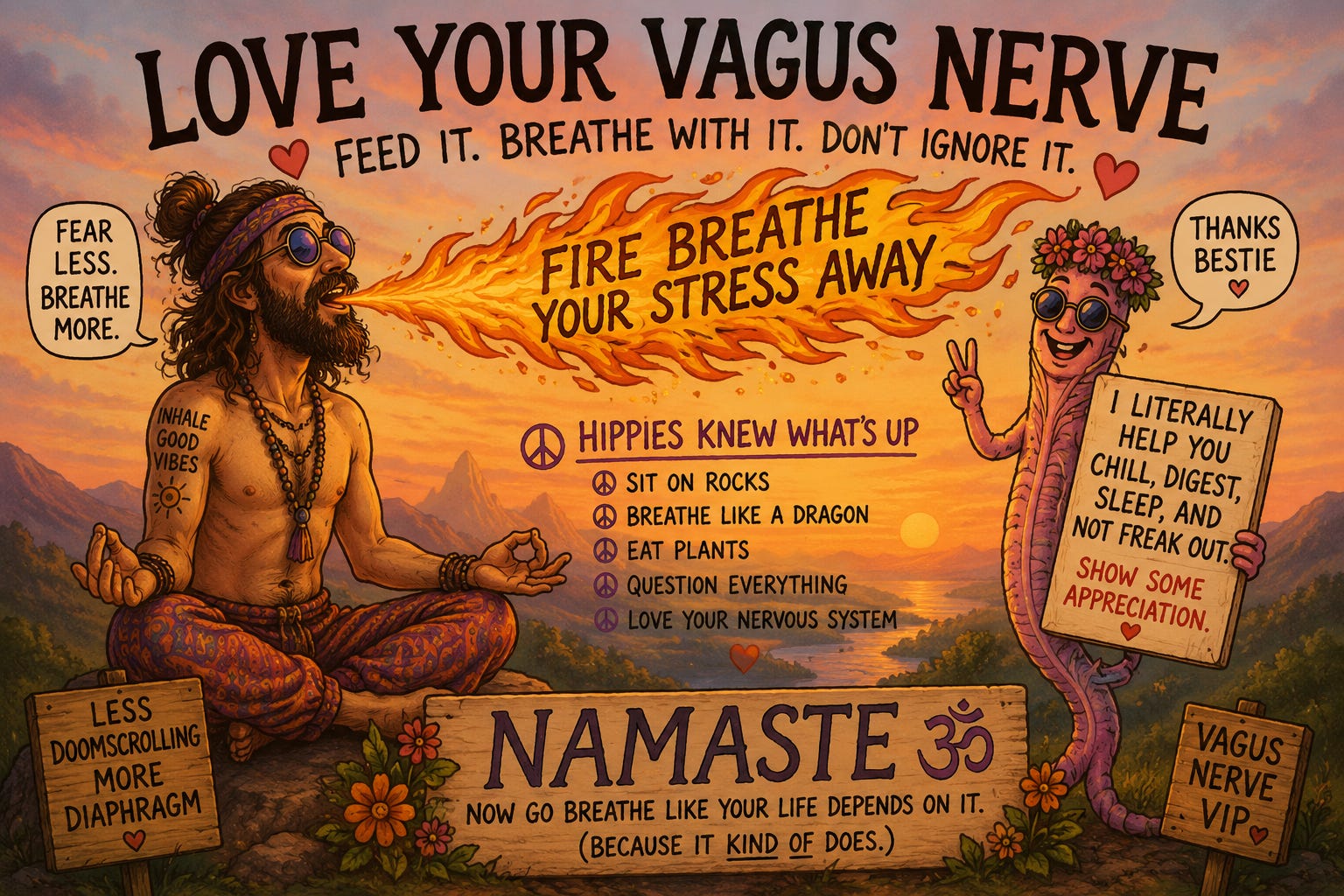
I attached a video showing how to do it featuring a shirtless hairy hippie guy absolutely zenning out on a rock at sunrise, which honestly feels like the perfect visual representation of Breath of Fire energy. There is something strangely calming about watching somebody completely locked into the moment while breathing like an awakened zen master in the middle of nature. The man looks like he has not checked an email in six years and somehow his cortisol levels and blood pressure are probably immaculate.

Ancient Humans Understood Something About Breath
Breath of Fire comes primarily from ancient pranayama traditions within Kundalini yoga and other yogic systems originating in India. Long before modern neuroscience existed, people observed that breathing patterns directly affected mental state, emotional regulation, physical energy, and stress levels. Ancient yogis may not have used terms like “autonomic nervous system” or “vagal tone,” but they clearly understood that breath was connected to the body in a powerful way.

Most modern humans barely notice their breathing unless something goes wrong. Meanwhile the body is constantly responding to every inhale and exhale like incoming information. Stress changes breathing automatically. Anxiety tightens it. Fear shortens it. Grief alters it. Calm changes it too. The nervous system listens to breathing patterns all day long whether people consciously realize it or not.

Modern life has turned a huge percentage of the population into chronically overstimulated little stress balls operating under EMFs, 5G towers, fluorescent and LED lights, and so many other things that alter our bioelectric health while pretending everything is completely normal. It is not normal. People wake up and immediately absorb notifications, financial stress, doomscrolling about the recent virus variant that doesn’t exist of the minute, war, climate change, famine, the scky is falling, social comparison, breaking news alerts, processed food, endless screen time, outrage algorithms, and enough psychological static to make create a chronic sense of dis-ease. Modern life has people functioning like their nervous system accidentally subscribed to every possible alert, warning, crisis, notification, opinion, and catastrophe available on Earth all at the same time. The body keeps trying to adapting to all of it (and not very well).

How To Actually Do Breath of Fire
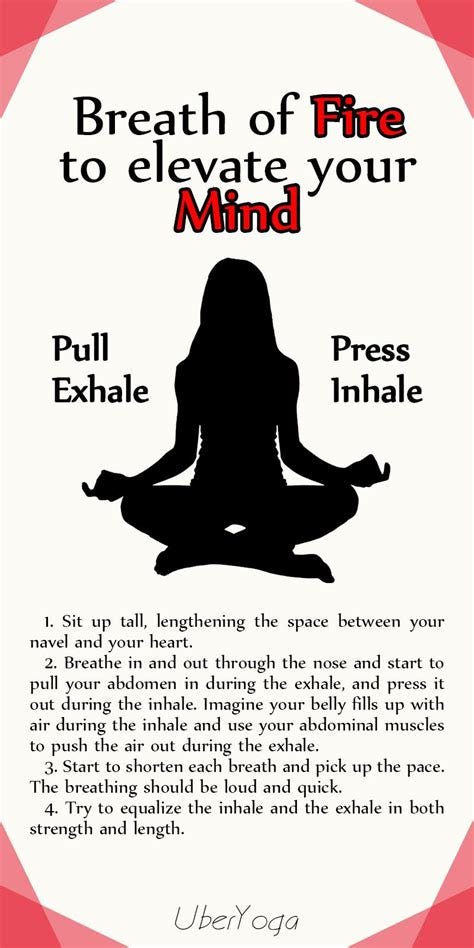
The basic technique is straightforward once you get the rhythm down. Sit comfortably with your spine upright. Relax your shoulders and place one hand lightly on your stomach if it helps you feel the diaphragm moving. Then begin taking quick forceful exhales through the nose by sharply pulling the stomach inward. The inhale happens naturally and passively between each exhale. Think of the exhale as the active part. Pump. Pump. Pump.

The stomach contracts quickly while the breath moves rapidly through the nose in short bursts. Most people start slowly for about thirty seconds before building up speed. Once you settle into the rhythm, it almost feels like the diaphragm takes over automatically. The pace usually ends up around two to three breaths per second once experienced practitioners get going, which sounds absolutely insane until you try it yourself and suddenly understand why people compare it to lighting a fire inside the body. And honestly, the first time doing it can feel bizarre. Half the population spends their lives taking tiny stressed-out chest breaths while hunched over laptops and cell phones. Then suddenly you sit down and intentionally breathe with force for the first time in years and realize your rib cage has apparently been buffering unresolved tension since the 1900s.
Why Fire Breathing Feels So Different
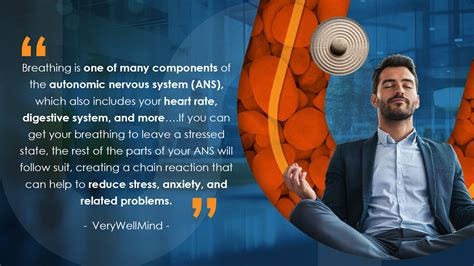
Unlike slower calming breathwork practices, Breath of Fire is activating. The diaphragm pumps rapidly while air moves rhythmically through the nose in quick bursts. Many people report feeling heat in the body, heightened focus, tingling sensations, emotional release, increased energy, mental clarity, or an unexpected sense of calm afterward. It feels less like “relaxing” and more like rebooting the entire system. Part of this appears connected to the vagus nerve, which has become one of the most talked-about topics in nervous system research and wellness spaces. The vagus nerve acts as a major communication pathway between the brain and body and plays a role in heart rate, digestion, emotional regulation, inflammation, breathing patterns, and stress recovery.
Breathing techniques appear capable of influencing this system through diaphragm movement, breathing rhythm, oxygen and carbon dioxide balance, and autonomic nervous system signaling. In simple terms, your body responds to breathing patterns constantly. When you intentionally change the rhythm of the breath, you can influence the state the nervous system is operating in. Which becomes fascinating once you start paying attention to how disconnected most people have become from their own bodies.
The Diaphragm Might Deserve More Respect
Breathing is not just about oxygen. It is mechanical, neurological, electrical, and chemical all at once. The diaphragm repeatedly contracts during Breath of Fire, changing pressure inside the chest cavity while interacting with pathways tied to autonomic regulation and vagal signaling. Your body is not casually inflating lungs like a balloon. It is constantly processing information through movement, rhythm, chemistry, and sensation. Meanwhile most modern humans spend their lives taking tiny shallow stress breaths while staring into glowing screens for twelve hours a day pretending they are functioning normally because they drank synthetic electrolytes, chowed down on synthetic vitamins, and bought a candle called something like Nordic Forest Rain.

Why Practices Like This Never Disappeared
Obviously Breath of Fire is not magic and it is not for everybody. Some people can feel dizzy or overstimulated from intense breathing techniques, especially if they already struggle with anxiety, panic sensitivity, respiratory conditions, or cardiovascular issues. Still, there is something incredibly compelling about the larger picture here. Humans discovered long ago that breath changes state.

Modern neuroscience keeps circling back toward the same conclusion ancient practices already understood: the body and nervous system respond powerfully to breathing patterns. Breath is not separate from emotion, stress, awareness, or physical state. It is tied into all of it. Which may explain why practices like Breath of Fire have survived for thousands of years instead of fading away into history. Because beneath the yoga aesthetics, wellness branding, sunrise rocks, and beautifully feral hippie energy, there is a real truth underneath all of it: Modern humans are exhausted. And sometimes the body just wants you to stop for a few minutes, breathe with intention, and remember what it feels like to fully exist inside yourself again.
Thank You so much! Though I naturally breathe with My diaphragm - rarely if ever doing chest breathing - I had never thought of breathing rapidly like that. Will be trying it as soon as I am fully awake! LOL!
Love this post!