
From Massachusetts Bay to Microsoft and the Gates Foundation
Boston Brahmin WASP Blood in the Age of Billionaires

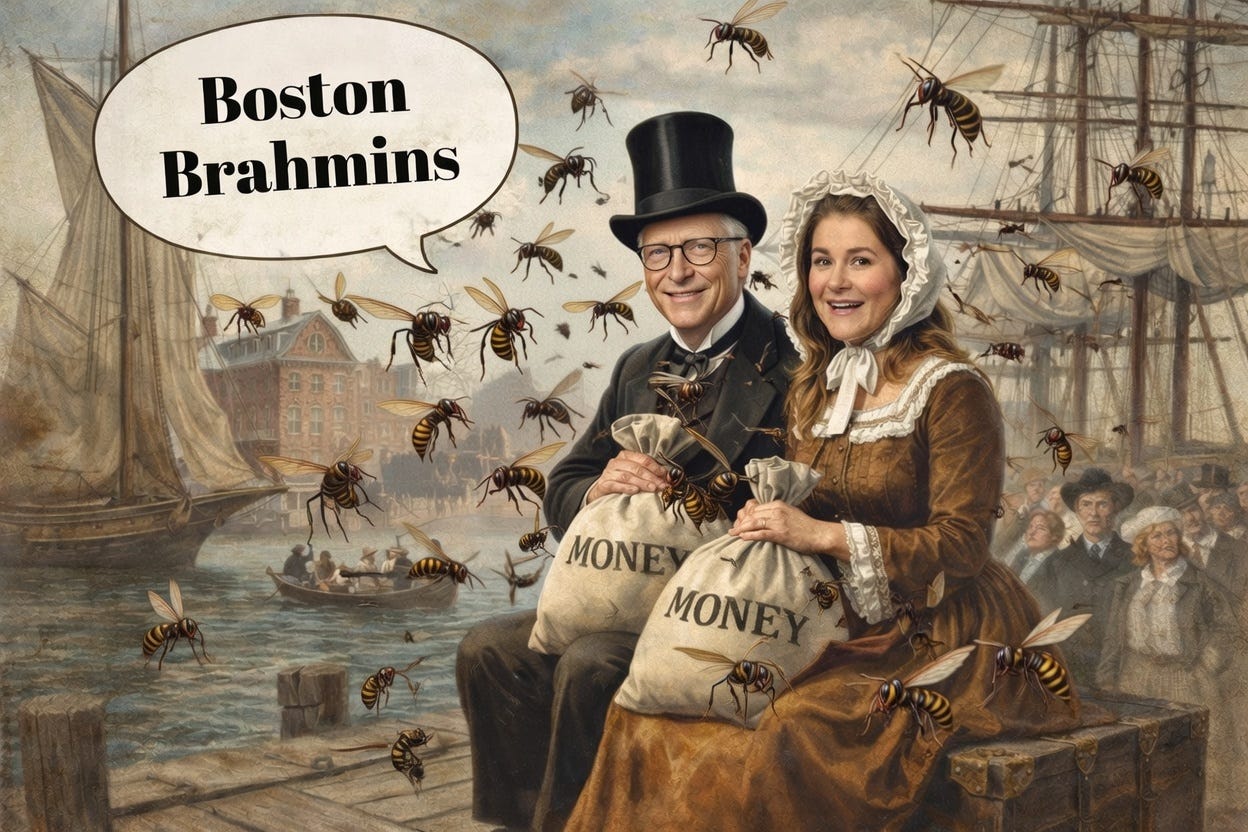
Before the United States had an aristocracy in name, it developed one in practice. In New England, that ruling class came to be known as the Boston Brahmins.
The Boston Brahmins were not simply wealthy families. They were an interlocking Anglo Protestant elite that emerged from the earliest English settlements in Massachusetts, particularly those arriving during the Great Migration of the 1630s. Their power rested on lineage, education, religion, and institutional control rather than titles or landed nobility. They governed by shaping the structures through which society itself was organized. The Boston Brahmins were the highest expression of what later came to be called WASP (White Anglo-Saxon Protestant) culture, an Anglo Protestant governing class that treated lineage, education, institutional authority, and moral stewardship as a single, self-reinforcing system of power rather than as separate social traits.

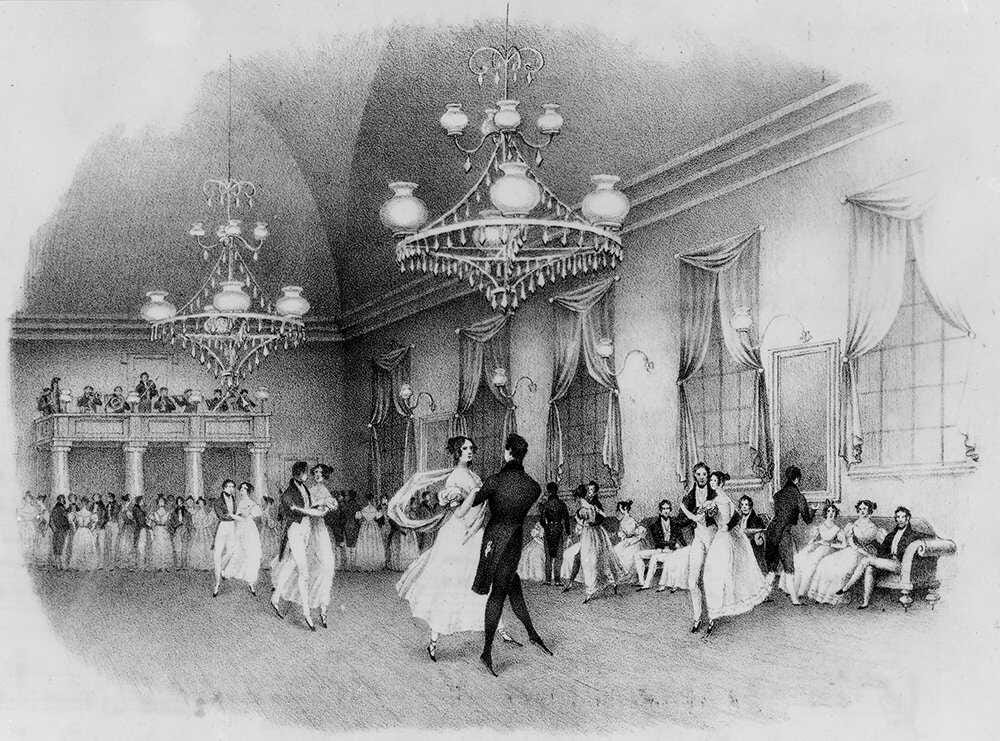
These families dominated Harvard and its feeder schools, controlled major banks and shipping interests, staffed courts and legislatures, and directed the cultural institutions that defined respectability and knowledge. They were disproportionately Unitarian, deeply invested in moral authority, and intensely concerned with social order. Marriage within the group preserved cohesion. Education reproduced leadership. Philanthropy functioned as governance. Names recur across centuries because the same families repeatedly occupied positions of influence: Adams, Cabot, Lowell, Winthrop, Peabody, Saltonstall, Phillips, Astor, Forbes. Their descendants moved seamlessly between commerce, religion, medicine, publishing, diplomacy, and later global finance.
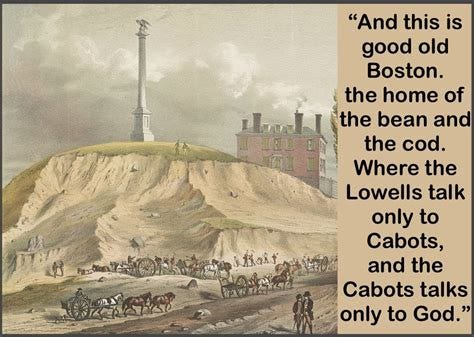
What distinguished the Brahmins was not flamboyant wealth but discretion. Power was exercised quietly, often through boards, trusts, universities, and foundations. Public service and private interest were rarely separate. Control was maintained not by force but by norms, credentials, and access. Many of the families that became Brahmins and WASPs accumulated their wealth through “trade” networks that included opium, sugar, and other highly profitable commodities, linking moral authority to economic exploitation.
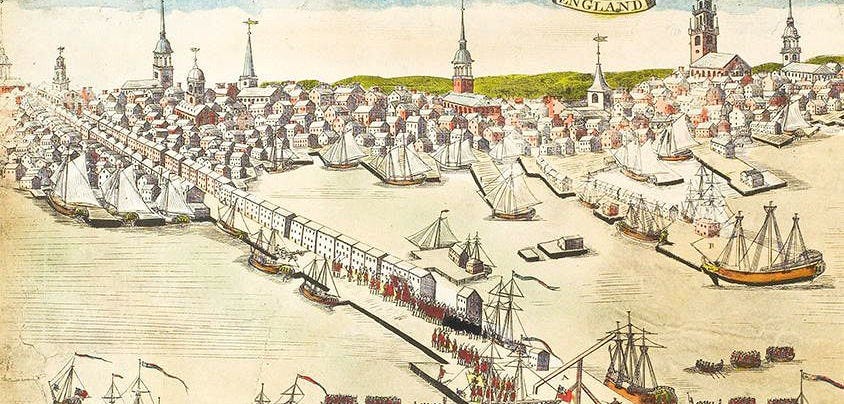
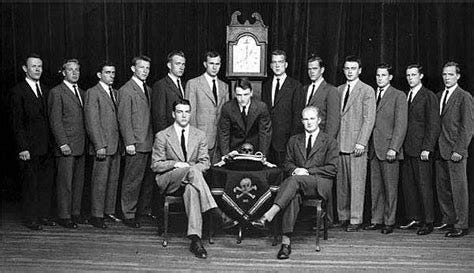
Secret societies, clubs, and fraternal orders provided networks for consolidating influence, coordinating investments, and shaping political and economic outcomes across generations. This class did not collapse with the nineteenth century. It adapted. As the United States industrialized and expanded outward, Brahmin influence followed, embedding itself in new forms of authority. Where earlier generations governed colonies and trade routes (namely opium drug trade routes), later ones governed knowledge, standards, and institutions with global reach.
Cousin Marriages and Cartels

Long before “old money” became polite philanthropy and private school legacies, it was drug money. Real, brutal, addictive, empire backed drug money. What we call elite families today, the names that dominate banking, politics, academia, and culture, are in many cases the descendants of merchants who trafficked opium into societies that resisted it and …
It is within this context that Bill Gates becomes legible not as an anomaly, but as a continuation.
Bill Gates and the Phillips Lineage
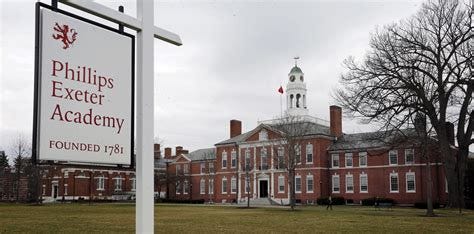
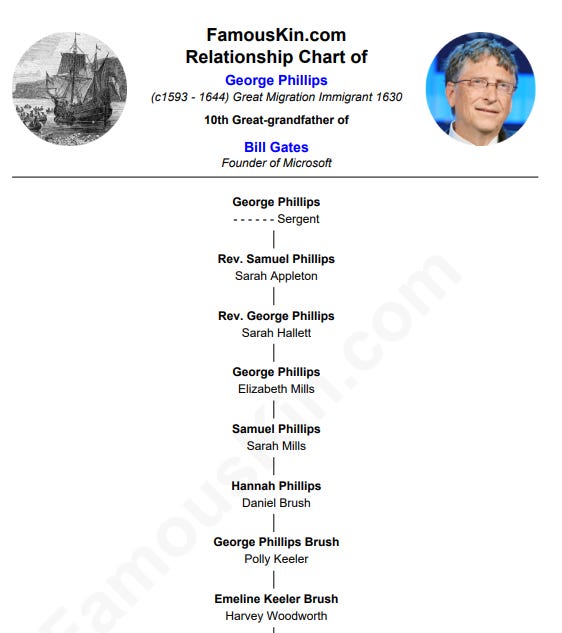
Through his mother Mary Maxwell Gates, Bill Gates traces directly back to Rev. George Phillips, a Great Migration immigrant who arrived in Massachusetts in 1630. Phillips was not a marginal settler. He was part of the clerical and civic leadership of the Massachusetts Bay Colony, a role that carried both spiritual authority and political influence. The Phillips family that descends from this origin became one of the foundational Boston Brahmin lines. Over generations, they embedded themselves into New England’s governing institutions, particularly education and theology. The founding of Phillips Academy Andover and Phillips Exeter Academy formalized what had already been occurring informally: the training of an elite class to govern future generations.
The Boston Brahmin lineage flows clearly on his maternal side:
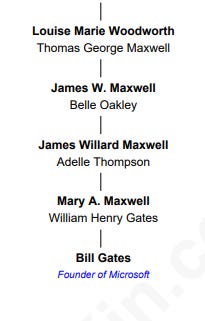
Mary Maxwell Gates was not merely a parent; she was a conduit of access. Boards, foundations, and civic leadership formed the environment that positioned her son to navigate and ultimately dominate the global software and philanthropic landscape after his short stint at Harvard.
Melinda French Gates: Clues, Lineage, and the Hidden Networks That Suggest Elite Origins
Melinda French (formerly Gates) is publicly described as the daughter of Raymond Joseph French Jr., an aerospace engineer, and Elaine Agnes Amerland, a homemaker, a family supposedly defined by merit and modest means.
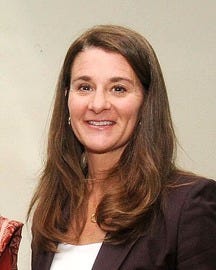
That story collapses when one examines the historical record of the French name. Amos Tuck French, born in 1863 in Boston to Francis Ormond French and Ellen Tuck French, was a Harvard graduate whose father, Benjamin Brown French, served as Clerk of the U.S. House of Representatives and Commissioner of Public Buildings under Abraham Lincoln. His maternal grandfather, Amos Tuck, helped found the Republican Party. The French family’s connections were formidable: Ellen “Elsie” Tuck French married Alfred Gwynne Vanderbilt, linking them directly to one of New York’s greatest fortunes (with ties to the Boston Brahmins), while Elizabeth Richardson French married Herbert Eaton, 3rd Baron Cheylesmore, embedding the family in transatlantic aristocracy.
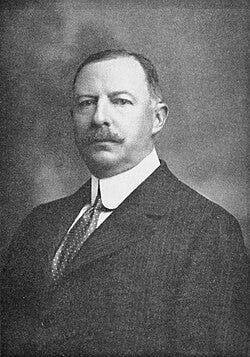
Amos Tuck French married twice, first to Pauline LeRoy, daughter of Stuyvesant LeRoy and Pauline Winslow Bridge LeRoy, and later to Martha Beeckman, sister of Robert Livingston Beeckman, governor of Rhode Island. His children intermarried with other elite families: Francis Ormond French II married Eleanor Livingston Burrill, Julia Estelle French married Howard Thomas Williams after eloping with John Paul Geraghty, and Stuyvesant LeRoy French married Harriet Hall Rittenhouse and later Maud Coster, formerly of the Salm-Hoogstraeten family connected to Millicent Rogers. Amos’s descendants carried this elite DNA forward: his granddaughter Ellen Tuck French married John Jacob Astor VI, and her sister, Virginia Middleton French, married William Force Dick, Astor’s half-brother. Other relatives include Amos Tuck French Jr., who married Emma Dulany Hunter, and Edward Tuck French, cementing generations of wealth, social capital, and institutional influence.
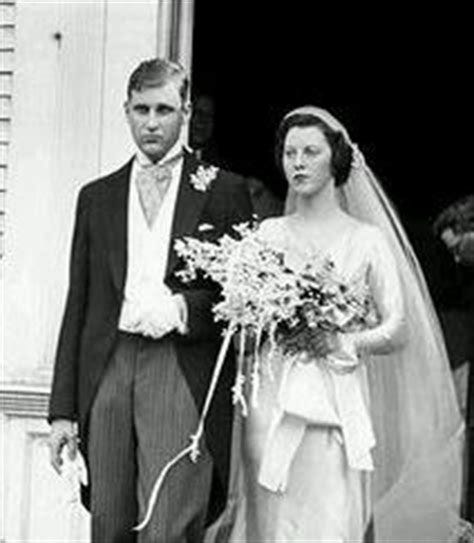
This is not a family climbing the social ladder through luck. They ran the Manhattan Trust Company, controlled the Northern Pacific Railway and Northern Securities Company, dominated social institutions from the Knickerbocker Club to the Newport Casino, and maintained political influence at the highest levels. Every marriage, every club, every Harvard degree reinforced their network, concentrating power across generations.



Quite an interesting family, indeed.
Against that backdrop, Melinda French Gates’ narrative as a middle-class Texas girl attending private schools and Duke University reads as carefully curated mythmaking. The pretty rare surname, elite educational trajectory, and seamless integration into global philanthropy suggest networks and privilege far beyond the story of merit and hard work. Her father’s aerospace career placed her inside corridors of influence that intersected with federal contractors, research labs, and institutional elites, not the life of a hard-scrabble family earning their way up.

What makes this even more suspicious is how deliberately opaque her family lines appear. From everything that can be found publicly and from what has been reported, tracing her ancestry back to the historic Boston and New York French family is next to impossible. Records are scarce, branches are unclear, and documented connections vanish the moment you try to follow the trail. Given the prominence of the old French family, their elite marriages, and centuries of institutional influence, it is hard to believe that Melinda French Gates is not somehow from this line of upper-crust people.

By marrying Bill Gates, she entered a lineage already embedded in global elite networks, consolidating social, cultural, and institutional continuity. While it cannot be stated definitively that she is a Boston Brahmin, the clues are unmistakable: the surname, elite education, family alliances, and pattern of influence through institutions all point toward structural alignment with the Brahmin and WASP class. Her role in the Gates Foundation demonstrates this logic at work: influence deployed quietly and strategically, across borders, leveraging networks, capital, and institutional authority in a manner strikingly reminiscent of historic elite families. The story of humble beginnings begins to crumble when seen in the light of lineage, marriage, and the enduring architecture of power.

WASP Infrastructure, Secret Societies, and Historical Wealth
The Boston Brahmins exemplify the broader WASP paradigm: a ruling culture defined by white Anglo Protestant lineage, education, institutional dominance, and moral stewardship. Families like the Astors, Delanos, Forbes, Cabots, and Lowells illustrate this continuity. Many accumulated early wealth through imperial trade networks, including opium, and were involved in other highly profitable commercial ventures while publicly cultivating moral authority. Secret societies, fraternal orders, and exclusive clubs served as organizational nodes where elite families coordinated investments, reinforced social hierarchies, and maintained networks of influence that extended into banking, publishing, politics, and diplomacy.
Modern Brahmin-WASP figures like Bill and Melinda French Gates occupy the same functional role. The medium has changed from trade to technology, from church to foundation, but the method remains: governance through institutions rather than overt rule, shaping society indirectly while maintaining control. WASPS.




The Sting Goes On
Bill and Melinda French Gates are heirs to centuries of institutional influence. They exemplify how Boston Brahmin’s (and the families connected to them through marriage) power has persisted into the twenty-first century, now operating through data, software, and global philanthropy rather than shipping, trade, or colonial administration. From Massachusetts Bay Colony to Microsoft, from Phillips Academy to global foundations, the Brahmin and WASP logic endures: shape the structures, control the levers, guide society, and make influence appear inevitable.
A fascinating read! Billy boy and ex-wife are a pair of ghastly Ones. Like all the moneyed psychopaths in control on Our planet (by virtue of money).
Bloodlines and money spell a bad outcome for Humanity...
Great information.