
Houston, What Do We Do When We Can’t Pinpoint One Cause for All the Health Problems?
Welcome Back to the Planetary Burn Barrel with a Side of G Sauce 🔥🌲🗼📡⚡️🌫️☣️

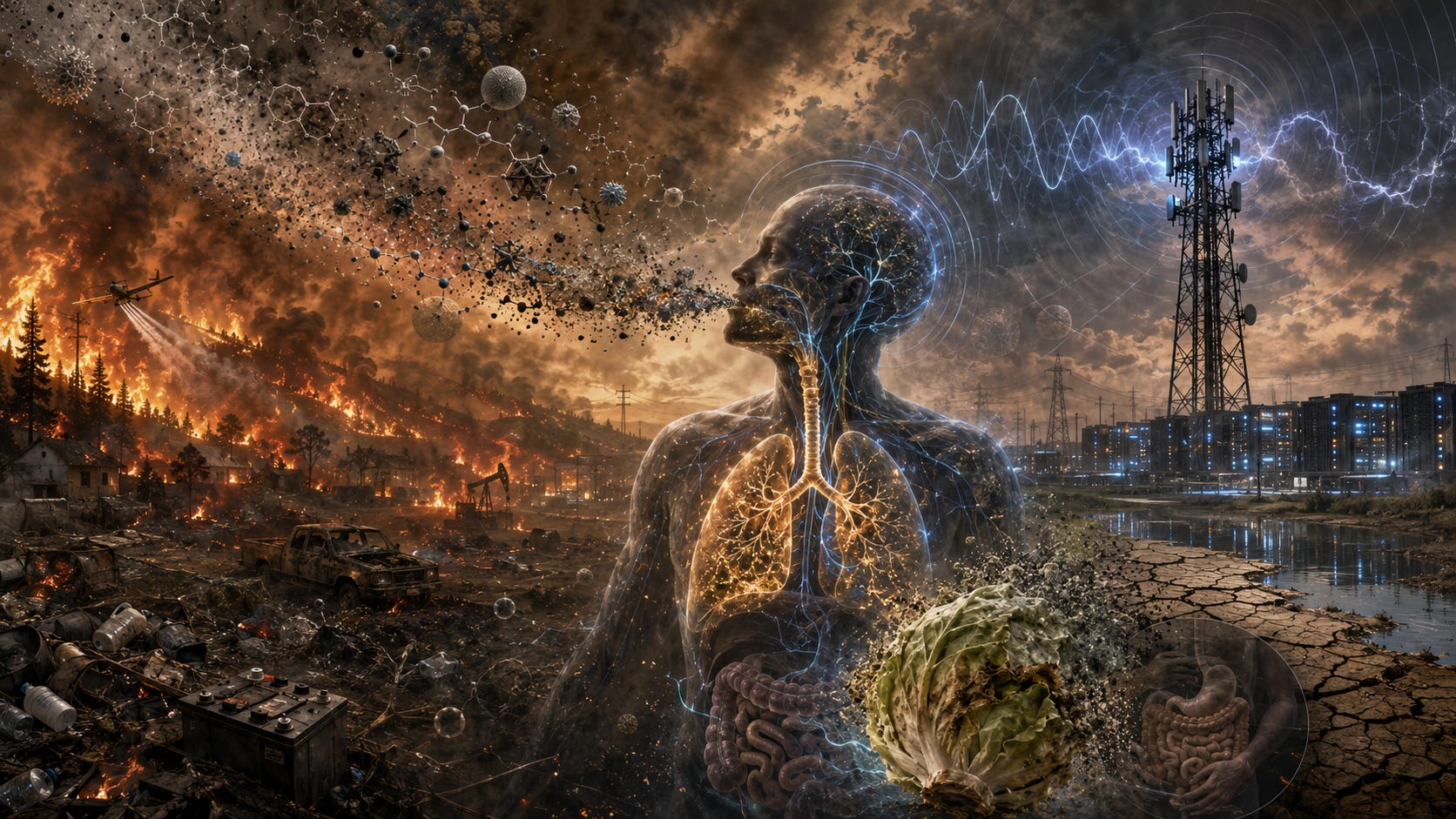
I keep watching people move through smoke filled streets as though the color of the sky is merely an unfortunate filter someone placed over the afternoon. They are walking their dogs, pushing strollers, jogging, riding bicycles, sitting outside in wheelchairs, mowing lawns, and driving around with every window rolled down while the Air Quality Index climbs past 200. At that level, the air is not simply “a little smoky.” An AQI between 201 and 300 is classified as very unhealthy, with an increased risk of health effects for everyone, yet people continue pulling that air deeply into their lungs as though the human body somehow becomes exempt from chemistry when the exposure happens outdoors.
During July 2026, smoke from Canadian “wildfires” poured across North America, turning air quality unhealthy or hazardous in cities including Detroit, Toronto, Chicago, New York, and Washington, D.C. The very trustworthy NASA (wink-wink) tracked brown carbon and other organic aerosols moving across enormous distances, while fires in the Pacific Northwest began adding new smoke to the continental plume. At the same time, large fires were burning across parts of Spain, France, Greece, Turkey, and other regions of Europe. This is not one unfortunate town standing downwind from one unfortunate forest. Entire populations are being submerged in the atmospheric remains of everything that happened to be inside the burn zone.
The official language makes the situation sound almost pastoral. We hear about “wildfire smoke,” which allows the mind to picture pine needles, dry grass, campfires, and unfortunate woodland creatures. Modern fires do not politely stop at the tree line. They burn houses, vehicles, roofing materials, treated lumber, flooring, paint, pesticides, insulation, electronics, plastics, solar equipment, household chemicals, transformers, power lines, lithium batteries, and whatever industrial material happened to be stored on the property. The word smoke is being asked to carry an absurd amount of chemical baggage.
Whatever started each fire (no it wasn’t nature) is a separate question from what the fire creates. Once modern materials begin burning, the atmosphere above them becomes an uncontrolled chemical manufacturing facility with no filtration system, no containment vessel, no ingredient label, and no meaningful consent from anyone breathing downwind.
The Flat Iron Experiment Was the Tiny Version
I previously wrote about research examining what happens when common hair products are heated during styling. Researchers found that straightening, curling, and waving hair with creams, lotions, and serums generated airborne nanoparticles between 6 and 500 nanometers. At temperatures above 300 degrees Fahrenheit, indoor concentrations reached between 10,000 and more than 100,000 particles per cubic centimeter. Once temperatures exceeded 360 degrees, particles smaller than 100 nanometers made up more than 95 percent of the total number measured. Their respiratory model estimated that more than ten billion nanoparticles could deposit throughout the respiratory system during a single styling session, with the highest dose reaching the pulmonary region of the lungs.
The Nanoparticle Nightmare

Nanoparticles have invaded every corner of modern life. They are in vaccines, and in pretty much every other pharmaceutical you can imagine, food additives, cosmetics, cleaning products, paints, coatings, electronics, weather engineering, and water treatment systems. People inhale them, ingest them, absorb them through the skin, and in millions of cases…
The particles did not need to be hiding inside the bottle in their final form. Heat volatilized cyclic siloxanes and other ingredients, which then nucleated, condensed, combined, and grew into newly formed airborne particles. Heat changed the material and created an inhalation exposure that had not existed in quite the same way before the product met the styling tool.
Now enlarge that process beyond a bathroom. Replace the curling iron with an uncontrolled inferno. Replace a small amount of serum with entire garages, houses, businesses, vehicles, batteries, synthetic furniture, paint, rubber, wiring, electronics, and chemical storage. Increase the temperature, extend the burn for days or weeks, send the plume thousands of miles, and place millions of people beneath it.
That comparison does not prove that every wildfire plume contains the same compounds as heated hair products (but it doesn’t disprove it either), because the chemistry depends on what burned. It establishes something more fundamental: heating complex modern materials can produce vast numbers of extremely small particles that were not obvious from looking at the original product. The resulting exposure cannot be understood by saying, “It is only smoke.”
Recent research on fires at the boundary between developed areas and wildland reached an even uglier conclusion. When researchers burned combinations of pine, polystyrene, and lithium ion batteries, they found a chemically distinct class of ultrafine particles containing soot, toxic metals, and polycyclic aromatic hydrocarbons. Battery involvement produced more than a nineteenfold enrichment of particulate trace elements, including nickel, lithium, phosphorus, cobalt, and aluminum. The metals became incorporated into compact soot particles during thermal runaway, while carcinogenic compounds preferentially attached themselves to ultrafine and fine particles capable of being inhaled deeply.
In other words, a plume traveling over a city is not necessarily carrying ordinary wood ash. It may be carrying microscopic metal soot hybrids formed when vegetation, polymers, batteries, electronics, vehicles, and buildings burn together. Researchers also warned that these exposures may be poorly represented by air quality systems focused primarily on particle mass, because an enormous number of ultrafine particles can carry relatively little total weight while still presenting a large reactive surface area to the body.
That detail matters because the AQI does not provide a complete molecular inventory of the air. It does not tell you how many particles are present, what each particle contains, which materials burned, whether batteries were involved, what metals were transformed by heat, or what compounds formed as the plume aged in sunlight. It gives the public a simplified number based largely on measured concentrations of regulated pollutants. The number is useful, but it is not a toxicology report. When the simplified number is already above 200, the parts not being measured should not make anyone feel more comfortable.
We Are Exercising Inside an Uncontrolled Inhalation Study
At an AQI above 200, going for a jog is not an act of health. It is an increase in minute ventilation during a health alert that applies to the entire population. The harder someone breathes, the more contaminated air passes through the respiratory system. Rolling down the car windows does not create freedom or freshness when the outside air is saturated with combustion particles. It turns the vehicle into a moving collection chamber.
Fine particles can penetrate deep into the lungs, and some can move beyond the respiratory tract into the bloodstream. Particulate exposure can trigger oxidative stress, inflammation, changes in blood and vascular function, and disruption of the autonomic nervous system. Wildfire smoke also contains gases, volatile organic compounds, carbon monoxide, nitrogen oxides, aldehydes, and polycyclic aromatic hydrocarbons.
The autonomic connection is not a side note. The lungs are not sealed bags that occasionally complain when smoke becomes annoying. They are part of a living electrochemical network tied to circulation, heart rhythm, immune signaling, brain function, and the autonomic nervous system. An exposure entering through the lungs can affect systems far beyond the lungs, particularly when the exposure is repeated for days while people are also dealing with heat, dehydration, poor sleep, emotional stress, contaminated surfaces, and whatever else is moving through the environment.
The body experiences the whole environment at once, but institutions investigate it in pieces. Fire agencies count acres. Air agencies report particle mass. hospitals assign diagnosis codes. Food agencies investigate lettuce. Telecommunications groups develop spectrum standards. Utility commissions discuss electricity demand. Water boards issue withdrawal permits. Each organization studies the slice placed inside its jurisdiction, while no one is responsible for asking what happens when the slices are stacked inside the same person. That is the missing hole in the entire system and all the narratives we have been and continue to be told.
We Have Seen the Planet Disappear Behind Smoke Before
Looking back and dissecting the 💩 show, the years immediately preceding the COVID declaration were not environmentally quiet by any effing means. During the summer of 2019, enormous fires burned across Siberia, Alaska, Greenland, the Arctic, and the Amazon region. Smoke from Siberia crossed into Alaska, western Canada, Vancouver, and Seattle. Arctic fires emitted large quantities of black carbon and soot visible from space.
Then came Australia’s Black Summer fires during late 2019 and early 2020. Fire generated thunderstorms injected an extraordinary smoke plume into the stratosphere. The resulting smoke vortex rose to approximately 35 kilometers, persisted for more than thirteen weeks, traveled roughly 66,000 kilometers, and circled the globe. NASA described the event as an unprecedented disruption of stratospheric composition in its observational record.
That environmental context was quickly pushed out of the collective memory when the COVID narrative swallowed nearly every conversation about health. Coughing became COVID. Shortness of breath became COVID. Fatigue became COVID. Neurological symptoms became COVID. Vascular problems became COVID. Gastrointestinal illness became COVID. An enormous range of human suffering was folded into one dominant explanation while the atmospheric, chemical, pharmaceutical, psychological, electrical, and environmental conditions surrounding the population were treated as background scenery.
I have never accepted the neatness of that story as a complete explanation for what happened. A planet can be exposed to massive combustion events, altered behavior, fear, isolation, aggressive treatment protocols, industrial chemicals, poor indoor ventilation, and continuous technological expansion at the same time. Yet the public was trained to believe that considering more than one factor was irresponsible, while reducing everything to one invisible biological villain was somehow the height of scientific sophistication. The same mental funnel is being rebuilt now. And people don’t seem to be connecting the dots.
Enter the Diarrhea Lettuce
We are currently being told that a massive wave of watery diarrhea, nausea, cramping, fatigue, appetite loss, and weight loss is connected to a Cyclospora outbreak involving iceberg lettuce sourced from central Mexico. As of July 24, the specific outbreak investigation included at least 1,947 confirmed illnesses and 98 hospitalizations across nine states, while thousands of additional Cyclospora illnesses were being investigated nationally. The implicated lettuce was recalled after being distributed through restaurants and retailers across numerous states.
Food contamination happens, right? Produce can be exposed to “contaminated” water, fertilizer, equipment, or pesticides. The possibility that lettuce made people sick could be a thing. I can buy it…maybe.
What bothers me is how rapidly a convenient source can become the entire explanation for a broad symptom wave before the public has been given any meaningful account of its total environmental exposure. Once a headline announces that lettuce causes mega diarrhea, every person with gastrointestinal symptoms is encouraged to search their memory for a salad rather than asking what else they inhaled, drank, touched, or encountered.
PCR has become a diagnostic laundering machine: amplify a supposed selected “genetic sequence” enough times, attach a disease label to the result, and present the whole thing as proof. The same trick was used to manufacture certainty around COVID, it is now being used to prop up the lettuce parasite story, and it keeps creeping into cancer screening as though detecting fragments of “genetic” material automatically proves a disease, its cause, or even that anything active is happening at all.
Nausea, vomiting, diarrhea, appetite loss, headache, and fatigue are not exclusive fingerprints belonging to one parasite. They appear in foodborne illness, chemical exposure, medication reactions, heat illness, heavy metal exposure, and many other forms of physiological stress. They also appear during the prodromal stage of acute radiation syndrome, followed in some cases by a latent period during which a person temporarily appears to improve before becoming ill again.
Those symptoms fit the recognized prodromal pattern of radiation injury, and dismissing that possibility without dosimetry, serial blood counts, environmental monitoring, and a real exposure investigation is not science. A PCR driven lettuce narrative does not rule out radiation, toxic combustion products, electromagnetic disruption, or a combined environmental assault; it merely gives officials a convenient explanation before anyone measures what people were actually exposed to.
The overlap of mega lettuce diarrhea and prodromal radiation syndrome does expose the weakness of diagnosing environmental events by symptoms and headlines alone. Symptoms are the body’s limited vocabulary for distress. The intestines can respond to many different insults with diarrhea because the body does not possess a separate, poetically unique symptom for every possible toxin, particle, field, organism, or industrial contaminant.
If thousands of people develop similar symptoms during a period of continent wide smoke exposure, extreme heat, expanding infrastructure, water stress, and unusual environmental conditions, then a stool test and a lettuce receipt should not be the end of the investigation. There should be air sampling that identifies particle number, particle size, metals, polymers, organic compounds, and radionuclides. There should be water testing around affected communities. There should be transparent comparisons of blood counts, inflammatory markers, liver and kidney function, and symptom timing (if lab tests are even really accurate). There should be monitoring that continues after the smoke clears (or anyone admits that there are things like 6G being rolled out in test areas) rather than ending when the sky turns blue again or we are distracted by the next big daily news story telling us the sky is falling and to be afraid. Without those measurements, “the lettuce did it” becomes less of a conclusion and more of an administrative stopping point.
The Road to 6G Is Being Built Before Anyone Calls It 6G
People will immediately insist that 6G has not been rolled out yet, as though technology begins existing only after a telecommunications company places a new symbol in the corner of a phone screen. Commercial 6G service is not broadly operating today, but formal technical studies and standardization work are already underway through 3GPP, with architecture, positioning, resource management, and core network studies progressing through Releases 20 and 21 (if we are really being told the truth about timelines with any of this as the public is usually the last to know if they ever really do).
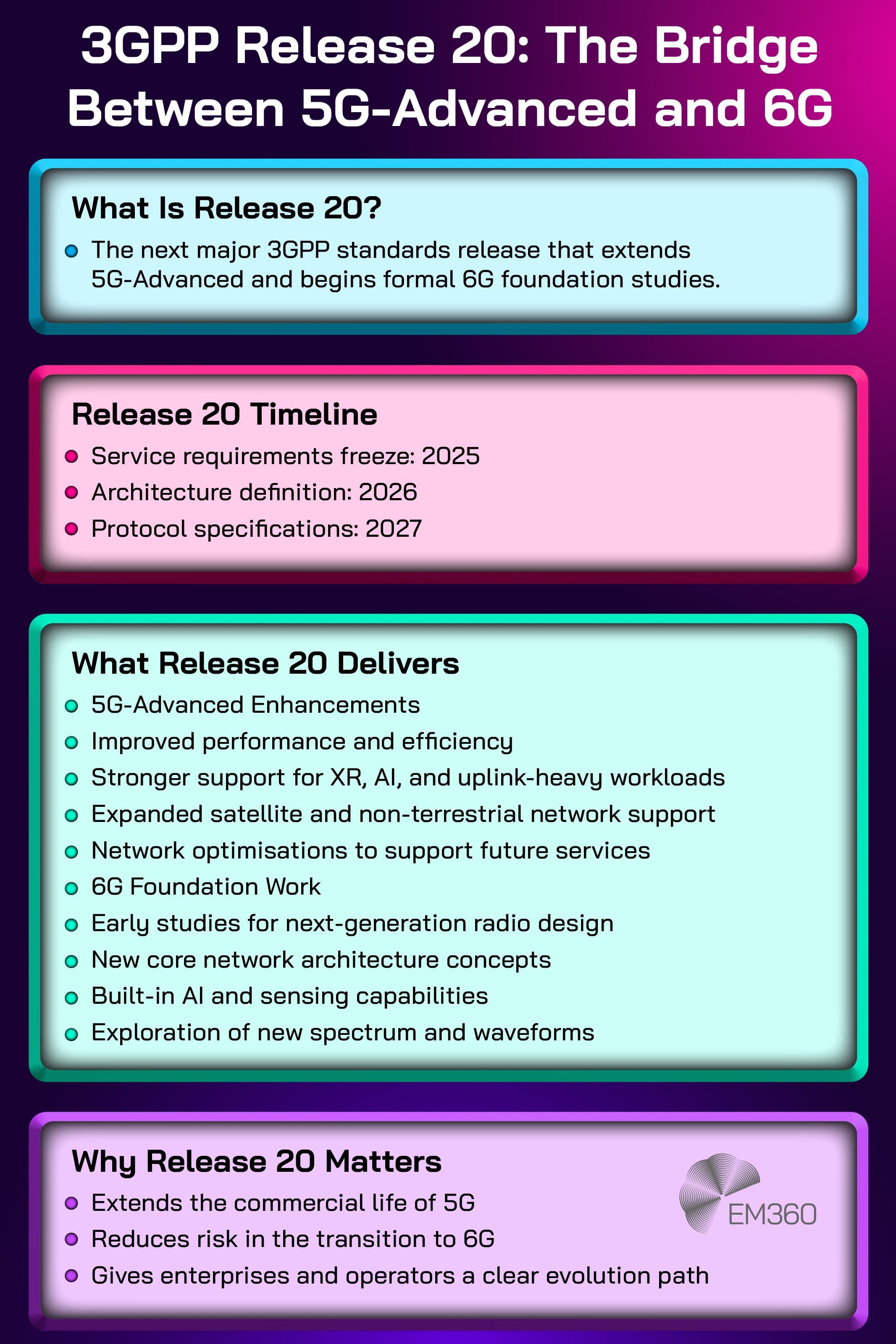
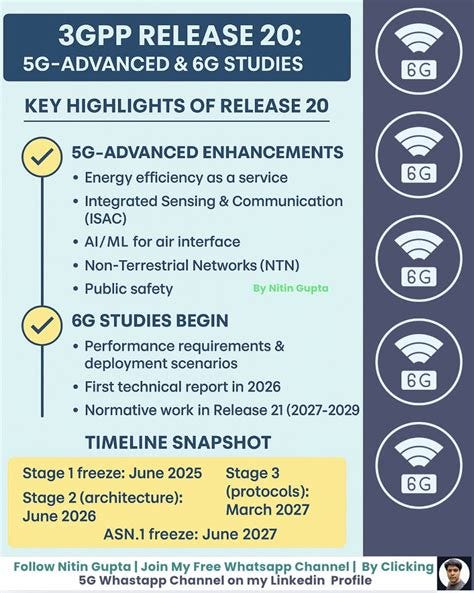
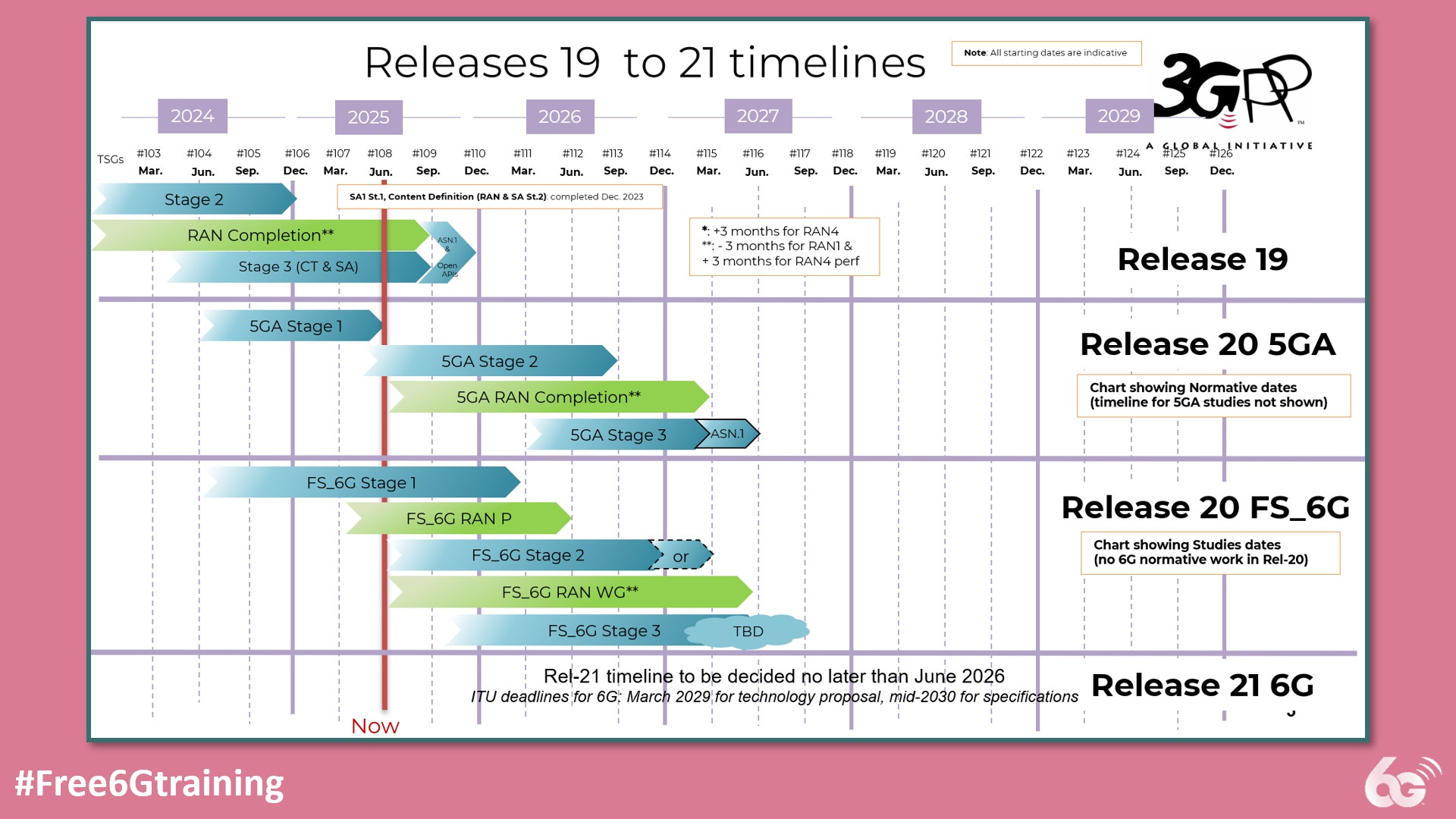
The infrastructure is always in place long before the public is handed a catchy new name for it (like it’s so 100 years ago). By the time anyone starts advertising the next generation of wireless technology, fiber has already been buried, towers have already been modified, antennas have already been redesigned, satellites have already been added, and enormous amounts of computing power have already been built to support it. Data centers appear, power demand climbs, cooling systems are installed, water agreements are made behind closed doors, and entire communities are physically altered before most people are even told what is happening. Only after all of that does the marketing campaign arrive, smiling brightly and announcing that the future is finally here, as though it had not already been surrounding us for years untested or publicly acknowledged.
DARPA Already Told Us the Body Is an Electrical Interface
Ordinary people are mocked for describing the body as bioelectric while the military research establishment spends billions of dollars developing technology based on that exact reality. DARPA created programs to investigate whether cells communicate using electromagnetic signals and whether biological structures can function like natural antennas. It funded research built around the possibility that biology contains electromagnetic communication systems that could be detected, understood, and used.
For the benefit of the occasional reader who prefers conducting surprise inspections of my vocabulary to writing something of her own, yes, magnetism is already discussed throughout this section. Apparently, mentioning electromagnetic fields, magnetic fields, electrical signaling, and the body’s wider electromagnetic environment still leaves room for a helpful little reminder that magnetism exists, so let us pause and give it the ceremonial recognition it was clearly denied.
DARPA also developed the Electrical Prescriptions program, which approached the peripheral nervous system as a communication network that could be monitored and deliberately altered. The research explored electrical, optical, acoustic, electromagnetic, and biological signals as ways to influence pain, inflammation, anxiety, trauma, metabolism, organ function, and immune related conditions. This was not a meditation class or some fringe healing conference. It was military research built around reading the body’s signaling patterns, identifying where they had changed, and sending new instructions back through the nervous system.
Its nonsurgical neural interface research went even further by exploring two way communication with the brain. The goal was to read neural activity and deliver information back into neural tissue without depending entirely on surgically implanted electrodes. Researchers examined electromagnetic energy, magnetic fields, ultrasound, light, altered neural sensitivity, and nanoscale transducers that could help outside equipment communicate directly with the brain.
The military openly investigates electricity and magnetism as tools for sensing biological activity, communicating with cells, changing nerve signals, influencing organ function, reading the brain, and writing information back into it. At the same time, the public is routinely told that electromagnetic fields are biologically irrelevant unless they generate enough heat to cook tissue. Those two stories do not belong in the same universe.
The human body is not merely chemical. It is electrical, magnetic, and constantly responsive to its surroundings. The heart maintains an electrical rhythm that generates a measurable magnetic field. The brain and nervous system depend upon precisely timed shifts in voltage and ion movement, while every electrical current moving through living tissue also creates a magnetic field around it. Cell membranes hold electrical gradients, muscles contract through coordinated signaling, and mitochondria supposedly move electrons while maintaining proton gradients. The vagus nerve carries information between the brain, heart, lungs, digestive system, and organs involved in immune regulation, while the gut participates in an ongoing electrical, magnetic, and chemical conversation with the rest of the body.
Blood, minerals, water, connective tissue, proteins, membranes, and cells are not floating in some electrically neutral void. They exist inside a living electromagnetic environment shaped by charge, current, conductivity, polarity, frequency, field strength, and magnetic interaction. There you go. Magnetism has now been escorted to the front of the room, handed a name tag, and formally introduced to anyone who somehow missed it the first several times.
A disruption within that system does not need to burn the skin or boil tissue before it becomes biologically important. The pattern of a signal matters, along with its timing, repetition, pulse structure, location, intensity, and the condition of the person receiving it. A healthy body with intact regulation is not necessarily going to respond the same way as one already burdened by inflammation, dehydration, nervous system stress, conductive metals, or reactive nanoparticles lodged in the lungs and tissues.
Regulatory agencies reduce the body to a meat bag of warm salt water and ask whether a signal produced enough heating to cross an approved limit. DARPA treats that same body as an electromagnetic information network that can be monitored, stimulated, interrupted, altered, and controlled through precisely delivered energy. I know which description sounds more honest about what living biology actually is.
The Weapons Are Not Science Fiction Bro
Directed energy and radiofrequency weapons are not inventions created by people on social media. Military agencies openly develop high power microwave systems, millimeter wave systems, waveform agile radiofrequency technology, electromagnetic disruption tools, and weapons designed to affect targets at the speed of light. These systems are valuable precisely because frequency, waveform, targeting, distance, pulse pattern, and power can be engineered to create specific effects.
Military directed energy programs have explored radiofrequency energy capable of disrupting electronics, penetrating through seams and cables, creating wide area effects, and disabling systems without traditional ammunition. Millimeter wave crowd control technology has already been publicly demonstrated as a way to produce an intense physical sensation from a distance.
Commercial telecommunications systems are not automatically identical to military weapons in power or operation, but that was never the point. The point is that electromagnetic energy can be engineered to create different effects depending upon how it is generated and delivered.
The phrase “nonionizing” does not mean biologically meaningless. It describes whether an individual photon contains enough energy to remove tightly bound electrons from atoms. It does not answer every question about nerve signaling, membrane behavior, oxidative conditions, calcium movement, blood flow, heart rhythm, sleep, mitochondrial function, autonomic regulation, or interaction with conductive material inside the body. The public receives a vocabulary lesson whenever it asks about electromagnetic exposure. The military receives another research budget.
There is also the obvious problem of secrecy. Nobody outside classified programs can honestly describe every electromagnetic, surveillance, neuromodulation, sensing, or directed energy technology being developed by military and intelligence agencies. That is what classification means.
The openly discussed programs represent the portion we are allowed to know about. They are not a complete list of everything that has been researched, attempted, improved, transferred, concealed, or deployed.
When the public record already contains electromagnetic communication between cells, electrical control of nerves, nonsurgical brain interfaces, nanoscale energy transducers, high power microwave systems, millimeter wave weapons, electronic warfare, and waveform controlled directed energy, pretending that electromagnetic bioeffects are too absurd to discuss becomes theater.
What Happens When the Air Becomes Part of the Circuit?
Now place that expanding electromagnetic environment inside the present atmospheric event. The air contains ultrafine soot, metals, pesticide combustion products, plastic residue, battery material, chemical fragments, ash, and particles carrying enormous reactive surface areas relative to their mass. Many of those particles can reach deep into the lungs. Some can trigger systemic inflammation and electrical disruption without traveling beyond the respiratory system, while others may cross biological barriers or enter circulation.
Metals conduct. Metals catalyze chemical reactions. Metals alter electrical and oxidative conditions. Nanoparticles can respond to fields differently than ordinary biological material and can convert one form of energy into another.
DARPA explored nanoscale transducers because tiny materials can change how external energy couples with biological tissue. That principle does not stop existing when the particles enter the body accidentally through smoke rather than deliberately through a laboratory procedure.
What happens when lungs coated with metal rich ultrafine particles are placed inside an increasingly complex electromagnetic environment? What happens when reactive nanoparticles enter tissue already dealing with heat, dehydration, chemical exposure, inflammation, disrupted sleep, altered blood flow, and nervous system overload? What happens when multiple frequencies, pulsed signals, beam steering, satellites, radar, cellular systems, power infrastructure, and atmospheric electrical changes converge around a body whose bioelectric terrain is already destabilized? Those are not foolish questions. They are measurable questions. Where are the measurements?
Where are the studies that recreate the environment people actually live in instead of placing one clean sample near one isolated frequency for a few minutes? Where are the experiments combining smoke derived nanoparticles, agricultural chemicals, heat, dehydration, metals, poor sleep, and realistic wireless exposure? Where are the blood, heart rhythm, neurological, gastrointestinal, mitochondrial, and vascular measurements collected during the same exposure window?
The usual safety argument examines one transmitter separately from everything else. Wildfire research examines smoke separately from wireless infrastructure. Pesticide research examines one chemical separately from combustion. Medical testing examines diarrhea separately from inhalation. Water authorities examine aquifers separately from data centers. Every institution studies one tile and declares that it understands the entire mosaic. It does not.
The Data Centers Are Not Floating in Cyberspace
The infrastructure required for artificial intelligence, wireless expansion, surveillance, cloud computing, and 6G has a physical body. Data centers occupy land, consume enormous amounts of electricity, generate heat, supposedly require constant cooling (but who knows what they’re really doing with all that water and suddenly there are supposed droughts all over), demand backup power, and draw water from the same watersheds and aquifers that communities depend upon. They are increasingly being built in areas where water is already supposedly limited, where agriculture depends upon groundwater, and where “wildfire” risk is suddenly today’s the sky is falling narrative of global warming.
A data center may draw directly from groundwater (don’t worry there is plenty of primary water they don’t want anyone to know about), rely upon municipal drinking water, require new pipelines, discharge heated water, alter local recharge patterns, or compete with farms and households during drought. When several facilities are built in the same region, their cumulative demand can disappear behind individual permits, development incentives, proprietary water figures, and promises that each project represents only a small portion of the total supply. The public is encouraged to take shorter showers while massive computing campuses are approved through agreements most residents will never see. Pretty much anyone who controls the water controls the world in a nutshell.
Water is not merely a resource issue. It is also part of the exposure pathway. Changes in groundwater levels alter mineral concentration, contaminant movement, well pressure, recharge, temperature, and the relationship between surface pollution and underground water. Fire ash, industrial residue, agricultural chemicals, mining contamination, and construction runoff do not remain perfectly separated from the hydrological system.
More computing supposedly requires more electricity. More electricity requires substations, transmission lines, transformers, generators, batteries, fuel, land, and one of the world’s most important resources…WATER. More wireless capacity requires more antennas, satellites, sensors, equipment, towers, and processing. More industrial development places more synthetic material onto the landscape, creating more material capable of burning when something goes wrong. Then the landscape catches fire and everyone pretends the only thing entering the sky is wood.
Smoke Does Not Stay Outside the Body (Duh)
Fine and ultrafine particles do not simply irritate the nose and leave. They penetrate deeply into the respiratory system, where their enormous surface area allows metals and organic compounds to interact with delicate tissue. They can alter inflammatory signaling, oxidative balance, vascular function, blood flow, heart rhythm, nervous system activity, and processes far beyond the lungs.
Exercise dramatically increases the amount of air moving through the body. A person jogging through an AQI of 220 is not performing an act of wellness beneath an ugly sky. They are increasing ventilation during an uncontrolled inhalation experiment.
A cyclist moving quickly through smoke, a person pushing a wheelchair outside, a child playing sports, or a driver cruising with the windows down is repeatedly pulling contaminated air across the respiratory surface.
The cultural programming around exercise is so strong that people cannot recognize when the supposedly healthy behavior has become the exposure route. They continue performing the ritual after the air has stopped being air anyone should deliberately inhale.
The sky does not have to look apocalyptic before the particles reach you. Smoke can travel high above the ground, descend overnight, enter buildings through ventilation systems and small gaps, attach to clothing and furniture, settle onto gardens and water, and return to the air whenever surfaces are disturbed. The visible haze is only the portion dramatic enough to attract attention.
This Sus Pattern is Quite the Puzzle (if you care to pay attention)
I am not looking at one fire, one head of lettuce, one tower, one data center, one laboratory result, or one sick person. I am looking at sequence and convergence. Before the COVID era, enormous fires pushed smoke around the globe while 5G testing and deployment accelerated. A vast collection of respiratory, neurological, cardiac, vascular, and gastrointestinal symptoms was then placed beneath one official explanation, while nearly every environmental variable disappeared from the conversation.
Now huge regions are burning again. The Western United States is covered in smoke. Modern buildings, batteries, plastic, treated wood, chemically managed fields, vehicles, power equipment, and industrial material are entering the combustion mixture. The infrastructure associated with the next wireless generation is being built before most people have been told it exists. Data centers are spreading across water stressed regions while aquifers and electrical grids are expected to support an industrial expansion whose full demands remain hidden.
At the same time, a gastrointestinal outbreak has supplied a convenient explanation for diarrhea, nausea, appetite loss, exhaustion, headaches, weight loss, and weakness. The diagnosis depends heavily upon PCR, the same amplification technology used to manufacture certainty during COVID. The symptoms overlap with toxic exposure and the recognized prodromal pattern of radiation injury, yet there is no serious public investigation of radiation, electromagnetic conditions, smoke chemistry, particle composition, blood changes, or the total exposure environment. Then we are told to consider every event separately. That is the magic trick.
The fire agency does not test lettuce. The food agency does not measure ultrafine metals. The telecommunications regulator does not investigate pesticide combustion. The water authority does not monitor neurological symptoms. The hospital does not reconstruct the chemical history of the smoke plume. The data center permit does not include the patient who will arrive exhausted, nauseated, short of breath, and confused several months later. Each institution can claim that the missing piece belongs to someone else. The resulting story becomes nobody’s responsibility.
A population can be exposed to a vast and changing mixture while every official report remains administratively correct. The fire burned trees. The monitor detected PM2.5. The lettuce carried a parasite. The PCR detected a sequence. The tower met a heating limit. The data center received a permit. The patient had anxiety. Every box gets checked while the actual human being disappears between the boxes. That is why I refuse to look away from the timing.
We have created a planet saturated with synthetic chemicals, agricultural treatments, nanoparticles, plastics, batteries, industrial metals, wireless infrastructure, military contamination, mining residue, pharmaceutical waste, and electrical systems. We then set enormous sections of it on fire and summarize the result with a colored circle on a weather app. The atmosphere has become a delivery system for the remains of the modern world, and the lungs have become the collection point. The gut, blood, brain, heart, mitochondria, and nervous system are left to deal with whatever arrives.
Several months from now, when people begin presenting with stranger combinations of fatigue, breathing problems, heart symptoms, neurological issues, gastrointestinal illness, cognitive changes, and nervous system dysfunction, we will undoubtedly be handed another clean explanation with a memorable name. The smoke will have vanished from the photographs by then. The fire maps will have been replaced by weather forecasts. The infrastructure will already be operating beneath a shiny new label. The summer exposure will be treated as an unrelated event from the distant past. That is exactly how the pattern survives.
We keep naming illness after whatever story is available when the delayed damage becomes impossible to ignore, rather than asking what the population breathed, drank, absorbed, and endured before everyone became sick. Houston, we do not merely have a smoke problem. We have an atmospheric experiment, a chemical experiment, a water experiment, a nanoparticle experiment, an electromagnetic experiment, and an industrial combustion experiment taking place inside the same bioelectric human bodies while the institutions responsible for protecting those bodies stare into separate filing cabinets. After watching the same pieces fall into place all over again, I can only imagine what this fall and winter will bring when the consequences of everything happening now finally begin to surface. Cough cough.
Metal nanoparticles and don't stand too close to the microwave!
Sure gets one thinking the trajectory won't be good.
Look up Dioxins. The most toxic forever chemicals ever man made, discovered in the 1950’s. From burning polyvinyl plastics at too low a temperature. Causing cancers. Intentionally added to Agent Orange. Think the huge Dioxin cancer plume from the East Palestine train wreck.
Detox is using Chlorella.