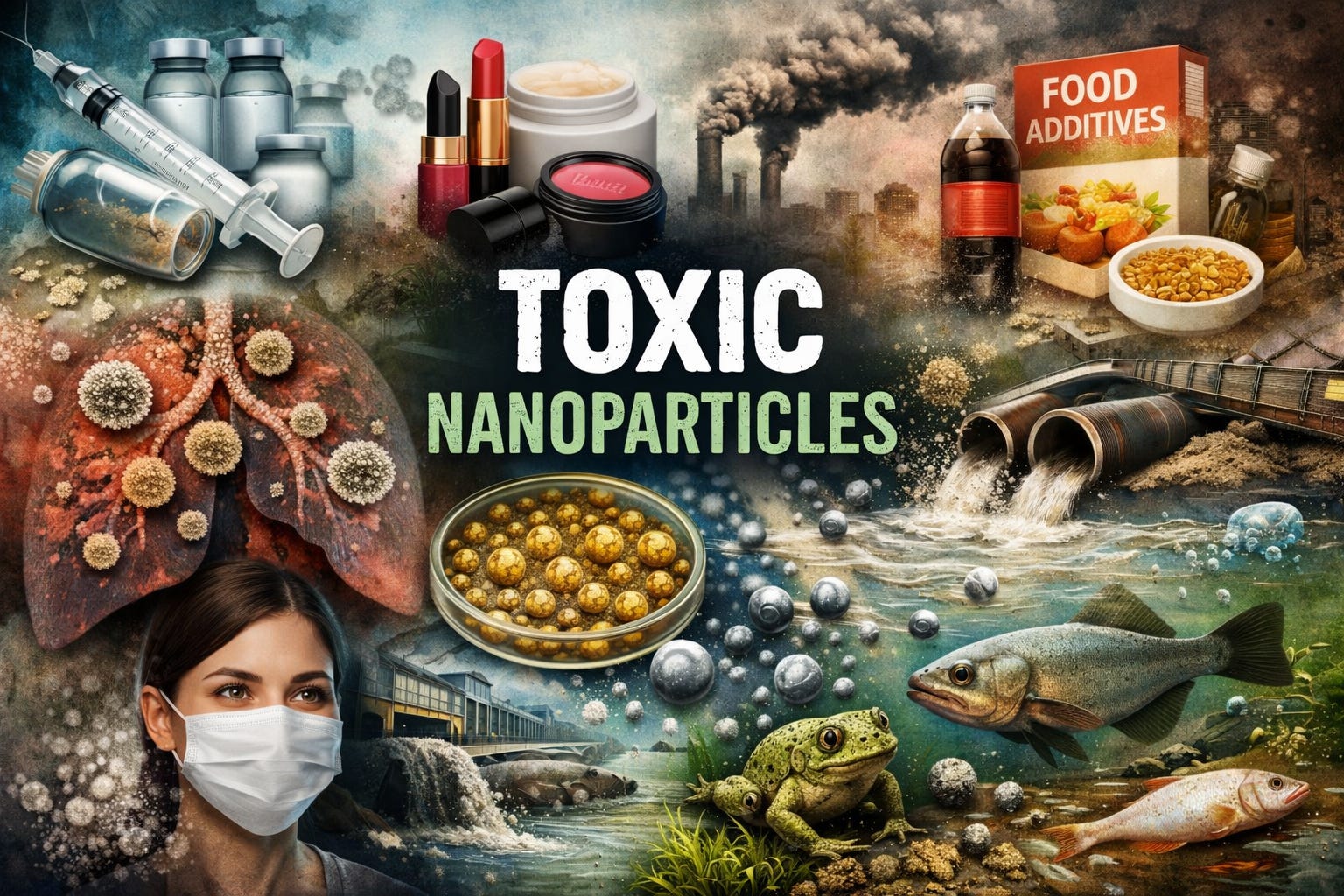
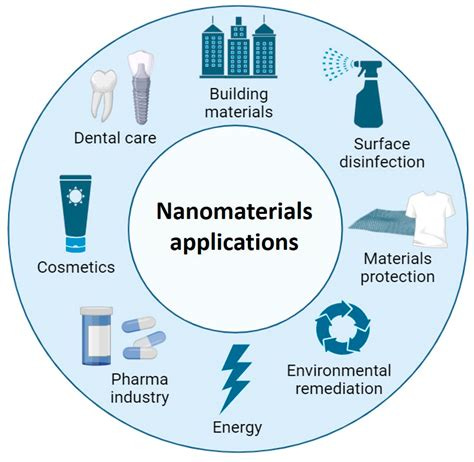
Nanoparticles have invaded every corner of modern life. They are in vaccines, and in pretty much every other pharmaceutical you can imagine, food additives, cosmetics, cleaning products, paints, coatings, electronics, weather engineering, and water treatment systems. People inhale them, ingest them, absorb them through the skin, and in millions of cases they are injected straight into the body. All of this happened without serious consideration of long-term health effects or ecological impact.
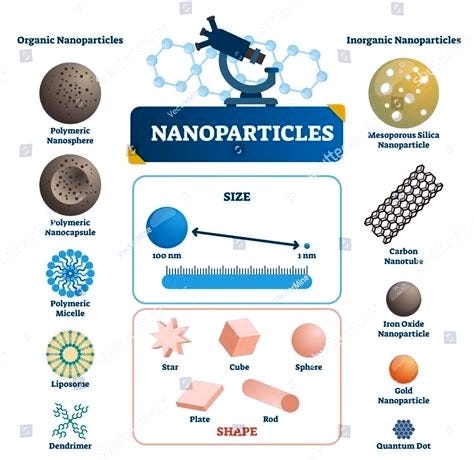
Nanoparticles are tiny, one to one hundred nanometers. A human hair is roughly a million nanometers thick. At this scale materials behave completely differently. Gold, carbon, lipids, titanium, zinc, silver, and other elements become chemically reactive and biologically active. They slip past the defenses the body evolved over millions of years and penetrate deep into tissues, organs, and networks of cells. Natural nanoparticles have always existed in dust, sea spray, volcanic ash, and food. Our bodies evolved to handle these slowly and in small amounts. Synthetic nanoparticles are engineered in laboratories. They are designed for stability, reactivity, and persistence. They move through the bloodstream, reach organs, and interfere with the way cells communicate, respond to stress, and coordinate with each other. These particles disrupt normal cell activity, triggering stress responses and inflammation that ripple through tissues and organs.
Nanoparticles have their own charge and can interfere with bioelectric signaling, the subtle electrical currents that allow cells to coordinate repair, immune responses, digestion, and nervous system communication. In the gut this disruption can throw the gut-brain axis off balance, altering immune signaling, gut function, and neurological patterns. Chronic exposure can shift the way systems regulate themselves, creating instability across organs and networks that the body cannot easily correct.
Schematic representation of zeta potential of a nanoparticle. The zeta potential is anot her essential measurement to evaluate the effective electric charge on the surface of nanoparticles and quantify the charges [114]. It is an important measurement to analyse the stability of the colloidal system (probe) and the surface effects of nanoparticles, as it affects he toxicity of nanoparticles as well as the initial absorption of nanoparticles onto the cell membrane [115]. Zeta potential is the electrical potential in the interfacial double layer at the location of the slipping plane, as shown in Figure 6. The zeta potential is measured as the potential difference between the dispersion medium and the stationary layer of the fluid attached to the particle layer (Figure 6). The zeta potential’s magnitude indicates the colloidal system’s potential stability. According to Sivasankaran et al. [116], a higher value of zeta potential indicates the stability of the system, whereas the positive and negative sign of the zeta po charges of nanoparticles, where nanoparticles with low zeta potential value will aggregate. For example, nanoparticles with zeta potentials ential indicate the surface arger than +30 mV are considered as strongly cationic, nanomaterials with zeta potentials value ranging from —10 to +10 mV are seen as neutral, and nanomaterials with zeta potentials less as strongly anionic [117]. Sachdev and Gopinath [ han —30 mV are expressed 18] isolated CDs from coriander leaves by hydrothermal approaches. Zeta potential analysis was evaluated using a zeta potential analyser, and a negative zeta potential value (—24.9 mV) was obtained, which was main associated with the presence of oxygen-containing functional groups (i.e., hydroxyl and he surface of CDs [118]. Ramanan’s group synthesized CDs from carboxylic groups) on t algal bloom through microwave irradiation and successfully obtained a highly negative ze potential value (—22.3 + 8.39 mV), further indicating that synthesized CDs are negative charged and rich in carboxyl functional group [119]. The zeta potential measurement of carbon dot provides va uable insight into the stability and aggregation of the carbon dot. y a y a
The toxicity of nanoparticles (nanotoxicity) depends on size, shape, chemical composition, and surface properties. Smaller particles are more reactive and penetrate tissues more easily. Rod-shaped or plate-shaped particles can physically disturb cell surfaces. Surface chemistry can make nanoparticles bind to proteins and trick the immune system into attacking normal tissues. These effects accumulate over time because synthetic nanoparticles are persistent. They do not degrade naturally and the body cannot fully eliminate them.
Exposure to nanoparticles had been previously associated with a range of acute and chronic effects. These range from inflammation, exacerbation of asthma, and metal fume fever to fibrosis, chronic inflammatory lung diseases, and carcinogenesis, as reported by the National Institutes of Health. Various studies have demonstrated that inhaled or ingested nanoparticles could enter systemic circulation and migrate to different organs and tissues.
Toxicities that happen at the cellular level are unique, according to Sayes. If a cell understands that it’s going through a substantial amount of damage, it has this control mechanism called apoptosis, which simply means cellular suicide. The cell might recognize it’s undergoing some toxic event and may choose to eliminate itself before that toxicity might spread to other surrounding cells into organs, organ systems, or the entire body. It’s a defense mechanism that animals and plants have against a contamination. So what happens at the cellular level sometimes may not extrapolate out to the entire organism level.
“It’s important to know the route of exposure and the concentration of what you might have been exposed to, and then you can characterize the effects,” she said.
Sayes said most of the time when a toxicologist, or an environmental health specialist talks about nanotoxicology or nanotoxicity, they are referring to adverse health effects that happens at the cellular level. That’s because a nanomaterial is so small, that the very first interaction that a nanomaterial might have after exposure occurs at the cellular level.
“It’s an interface between the inorganic, synthetic engineered nanomaterial with the organic cell membrane,” she said. “At that interface there could be some chemical or biochemical reactions that occur. That is something nanotoxicologists can observe, measure, and characterize.”
Nanoparticles have been shown time and time again to penetrate and permeate through cell membranes, but it’s also able, because of its small size, to travel in our airways, in the lungs to areas that larger particles usually cannot reach. In fact, some studies have shown that nanoparticles can translocate from the lung to the circulatory system.
Yet, the individual threat that nanomaterials might pose hasn’t been borne out.
“There’ve been many hypotheses over the last 15 years that perhaps exposure to engineered nanomaterials may pose a different kind of threat than other types of substances,” she said. “But the literature hasn’t really revealed threats that are unique to nanomaterials.”
Not that nanomaterials don’t pose a danger that’s worth studying.
“We have seen increased vulnerabilities in different organ systems,” Sayes said. “For instance, nanoparticles, when they are aerosolized and you breathe them in, they’re able to reach the distal areas of the lung, where larger-sized particles are not able to deposit or reach. But the extent of the toxicity or the dose needed to elicit an adverse response is a lot lower when you’re exposed to a nanomaterial as opposed to a bulk size or micro-sized particle.”
The threshold or the concentration of a nanoparticle inducing a response is lower than what a concentration of that same material might be. So it takes less nanoparticles to elicit the same response that a larger particle might elicit.
“Occupational workers are the cohort of individuals that would be exposed to the higher level of detrimental effects, because they would be exposed to aerosolized nanopowders that exist before it’s formulated into a slurry, to go into a product,” Sayes said.
That would include those working in a manufacturing facility that uses nanomaterials as part of its production process.
But down the line, ordinary people are exposed to nanoparticles that inevitably become mixed with other materials, which make these particles grow in size. Nanoparticles change rapidly as it gets more mature in the product development pipeline.
“By the time a consumer might be exposed to a product that had nanoparticles in it, the likelihood of them being exposed to a pristine particle is very small,” Sayes said. “In fact, they would be exposed to a formulation that may contain a small concentration of nanoparticles inside.”
It may have lost its nano properties, or the nano properties may have been diminished.
There are various properties, features or descriptors about individual nanomaterials that make them more or less toxic. One is the chemical composition. The chemical composition becomes one of the main predictors of what the potential adverse health outcome would be if you were exposed to it. Therefore, its toxicity is no different than nanomaterials depending on its composition on the atomic scale. It also includes the particular elements and structure that are present. That could be a predetermination of what the toxicity might be.
For instance, a nanomaterial that contains a heavy metal such as cadmium or lead, might be more cytotoxic, or toxic to living cells, than a nanomaterial that contains something more inert like carbon or oxygen or silicon.
“I think people should be worried about toxicities, period,” Sayes said. “So, in the same way that you should be worried about chemical exposures or environmental exposures or pharmaceutical exposures, you should also be worried about exposures to engineered nanomaterials. At the end of the day, exposure and hazard are related to the dose or the concentration of the material and with the substance in which you’re exposed to.”
Sayes believes people should be worried about toxicity or toxicities in general, be it exposures to pharmaceuticals, chemicals, environmental agents, or engineered nanomaterials. An engineered nanomaterials is just one of many things that we should be aware of.
“I’m concerned about the mixtures of things I’m exposed to,” she said. “I’m not so worried about the nanomaterials that might be in my sunscreen that I apply to my face in the summertime, but maybe it’s the co-exposure of the sunscreen plus breathing in some poor air quality or maybe water drinking water that had contamination. It’s the combination of multiple exposures and the persistent exposures and accumulation of multiple materials that really is understudied. And that’s probably where the biggest uncertainty is.”
Not that science hasn’t made progress.
“The toxicology community has a pretty good idea of what the toxicities are for exposure to individual materials, but we do not have as good of an understanding if we’re exposed to multiple nanoparticles simultaneously, or a nanomaterial plus some other type of contaminants,” she said.
The environmental impact is equally alarming. Nanoparticles released into water, soil, and air through industrial runoff, wastewater, product breakdown, and agricultural use spread through ecosystems and accumulate in sediments and organisms. Algae, crustaceans, and fish exposed to nanoparticles experience stress, physical disruption, impaired feeding, reproductive failure, and organ damage. Some nanoparticles release toxic ions in water or react to generate harmful compounds that make them even more damaging. Ecosystems are destabilized as effects ripple up the food chain. Photosynthesis in algae falters, small invertebrates fail to feed, and larger animals show systemic stress. Toxic nanoparticles in water have already been linked to population declines and impaired ecosystem functions.
Questionable Wildfires and What They Put in the Air
Between 2019 and 2021 unprecedented, massive, unusual fires burned across multiple continents. 2021 was especially intense. On top of that, the skies were filled with visible atmospheric spraying, often presented as “weather modification.” No one knows how that spraying interacted with the fires or how it dispersed nanoparticles already in the air, but the combination would have amplified exposure in ways nobody studied.
High-temperature fires do not just make smoke. They break materials down into ultrafine particles, often smaller than 100 nanometers. At that size, particles behave almost like a gas. They linger in the air, travel long distances, settle deep in the lungs, and even enter the bloodstream. Heat also changes particle chemistry, which matters because the body runs on delicate electrical and chemical balances. Lungs, blood vessels, clotting systems, and cellular networks all respond to what touches them. Smaller, more reactive particles are far more disruptive. After weeks of haze and fires, entire regions saw waves of severe respiratory collapse. People developed crushing shortness of breath, abnormal clotting, vascular inflammation, and imaging patterns doctors labeled as “COVID lung.” Ground glass patterns, diffuse inflammation, catastrophic lung damage. It. Is. Not. From. A. Virus.
It became personal for me. After the fires in the summer of 2021, my dad got extremely sick. Not mildly sick, not seasonal illness. He ended up hospitalized in September. Imaging reportedly showed extensive lung injury labeled as “COVID lung.” I had never seen him that sick in my life. This was not ordinary smoke irritation. Something far more aggressive had hit his lungs. Smoke alone can make people ill. Everyone knows that. But ultrafine particle loading at high density, especially if engineered or industrial nanoscale materials were already in the environment, is a different story. Burning does not neutralize particles. It fragments and redistributes them. The smaller they are, the deeper they go. Longer exposure equals more damage.
NIOSH Research Methods Demonstrate that Breathing Nanoparticles May Result in Damaging Health Effects
Nanotechnology has the potential to revolutionize countless products, create computers smaller and faster than once could be imagined, and fight diseases such as cancer. According to the Project on Emerging Nanotechnology, by the summer of 2009 there were 1,015 consumer products using nanotechnology. That represents nearly a 19-fold increase over the 54 products listed in 2005. Nanotechnology involves the manipulation of matter at a near-atomic scale. Nanoparticles measure from 1 to 100 nanometers in size, with 1 billion nanometers forming a meter. For comparison, a billion inches would nearly circle the Earth 2 times.
A nanoparticle of a certain material can behave much differently than a larger, more familiar-sized particle of the same material. Early research shows that materials that enter the body as nano-sized particles may have harmful health effects, even for some materials previously considered safe at larger sizes.
The National Institute for Occupational Safety and Health (NIOSH) is a leader in researching the health effects that nanoparticles may have on workers who handle them and who are exposed to them. NIOSH recently published research that measured for the first time the health effects of inhaling a common nanoparticle, the single-walled carbon nanotube. In this study, researchers examined what happens when mice breathe in carbon nanotubes.
Previously, scientists studied mice by using aspiration, or mixing the nanotubes in a fluid that is then delivered into the respiratory system of the mice. The aspiration experiments found that the immune system reacted to nanotubes in the same way as an infection. Strong inflammation produced swelling, scarring, and genetic mutations to cells in the lungs of the mice. There were two major critiques of the aspiration research. First, nanotubes were introduced into the lung as a single bulk amount, and second, the particles tended to clump together when mixed in the fluid. Researchers wondered what effects would be produced by inhalation of the particles because nanotechnology workers can be exposed to situations where they could breathe in particles in the air.
Relevant Information
A 2004 survey estimated that nearly 25,000 U.S. workers were employed at businesses that exclusively produced nanotechnology products.
Nanoparticles can enter the body through many routes including inhalation, swallowing, ingestion, and absorption through the skin.
Here’s the part that sticks out: people who were unvaccinated at the time were showing the same severe clusters of symptoms that later appeared in vaccinated populations after the vaccines rolled out in 2021. These were a spectrum of symptoms that varied wildly in degree. It can also explain why supposed “Long-COVID” persists as well as persistent post mRNA vaccine injury. The only thing that clearly connects them across these groups is widespread exposure to nanoparticles (not viruses or spike proteins).When populations are effectively marinated in ultrafine particles like this, severe inflammatory lung injury across large areas makes sense. Different exposure levels and particle characteristics explain the variability in symptoms, from acute collapse to prolonged multisystem effects. Particle size, surface reactivity, and exposure duration all matter, and the patterns we saw raise questions that demand answers. The dominant infectious disease/germ theory framework is so deeply embedded in public consciousness that most people automatically interpret widespread illness through that lens. As a result, alternative explanations, such as large scale nanoparticle exposure and nanotoxicity, are rarely seriously considered or explored.
5G and Nanotoxicity
There is published literature showing that areas with denser 5G infrastructure experienced more severe COVID related symptom patterns, yet the reflexive response was immediate dismissal and absolute certainty that no interaction exists. The human body is an electrical system. Every cell maintains voltage gradients. The heart, brain, vasculature, and gut depend on tightly regulated bioelectric signaling. Nanoparticles are not inert debris. Their surface charge, conductivity, and nanoscale size determine how they behave inside tissues, especially in blood and along endothelial surfaces. Radiofrequency fields alter electrical environments. Nanoparticles respond to electrical conditions. And still, we are told there is zero possibility of synergy. There are no publicly available studies that directly test combined systemic nanoparticle burden and 5G exposure in humans. None examining whether electromagnetic fields influence nanoparticle aggregation, vascular interaction, or inflammatory cascades. You cannot scientifically rule out an interaction that has never been directly studied. Talk about a major gap in the literature! Declaring certainty in the absence of combination data is not rigorous science. It is assumption dressed up as authority.
Adjuvants in Traditional Vaccines and Nanoparticle Delivery Systems in COVID-19 Vaccines
In 2017 and 2018, the Italian group Corvelva conducted independent laboratory analyses on several commercial vaccine batches, including Infanrix Hexa and Gardasil 9. In their Infanrix Hexa report, they found that the expected protein antigens could not be clearly detected in the form described on the product insert. Instead, they reported an insoluble macromolecular compound and numerous chemical signals that did not match the listed components. Later analyses of other vaccines like Gardasil 9 showed similar discrepancies.
GlaxoSmithKline’s Infanrix Hexa is a combined Diphtheria-Tetanus-acellular Pertussis (DTPa), Hepatitis B, Poliovirus and Haemophilus influenzae type b vaccine given to babies at 2, 4, and 6 months.
Corvelva’s 2018 study into the ingredients of Infanrix Hexa found the presence of major contaminants. The result of the study is recorded in Vaccinegate and details the following disturbing findings:
In Infanrix Hexa the researchers found chemical contamination from the manufacturing process or cross-contamination with other manufacturing lines;
They also found chemical toxins; bacterial peptide toxins; and an insoluble and indigestible macromolecule that reacts to the protein assay, but cannot be recognized by any protein databases.
They did not find:
Protein antigens of diphtheria toxoids, tetanus, pertussis, hepatitis B, haemophylus influenzae B, Poliomyelitis 1-2-3 (these are the components of vaccines thought to be required in order to develop immunity and they were completely missing from the final vaccine!);
Formaldehyde and glutaraldehyde, phenoxyethanol, antibiotic residues indicated in the composition.
Dr Bolgan reiterated her point about the low quality of vaccines:
If 6 vaccines are together the quality should be very high. Vaccines are from India and China. The controls over the raw materials are very low. Manufacturing is increasing every day. Quality will decrease.
Gardasil 9
Gardasil 9 is a vaccine designed to protect against diseases caused by the HPV virus. It should contain 9 antigens as specified in the package insert, presumably providing protection from 9 different subtypes of the human papilloma virus (subtypes 6 -11 – 16 – 18 – 31 – 33 – 45 – 52 – 58). However, not all the indicated antigens have been detected by Corvelva – only 7 out of 9.
What most impressed us was the presence of L1 fragments of the genome of papillomavirus. These fragments should not be present in the vaccine because the papillomavirus is carcinogenic and their presence together with the aluminium adjuvant is believed to be the cause of some of the serious adverse reactions in the injured.
In the study of Gardasil 9, the researchers could identify only 20% of the contaminants present. One of the identified contaminants was an amphetamine. The presence of this central nervous system stimulant was reported to the police and to the Italian Minister of Health and the European Medicines Agency. So far there has not been any action taken on finding this illegal substance in the vaccine.
The regulatory bodies are not doing anything to fix this problem.
They say vaccines are clean.
MMRV vacine
A study was also done on Priorix Tetra manufactured by GSK, and used for protection against measles, mumps, rubella and varicella which showed that it contained 1.7-3.7 microgram of foreign chicken embryo DNA and human foetal DNA which is 100 times more than is allowable by the World Health Organisation (WHO).
Dr Bolgan spoke about how they found particular mutations in the attenuated viruses that are different from vaccine to vaccine and from one lot to another lot.
Viruses are never the same in every single vaccine. The antibodies against measles are different in different people who are vaccinated and are completely different from measles in the environment and yet they say we need 100% vaccination.
All the viruses that are RNA viruses change very quickly.
This is a huge problem. The problem is the vaccine.
Aluminium
Dr Bolgan was very critical of the use of aluminium as an adjuvant in many of the vaccines given to children and increasingly to adults today.
There are plenty of studies that confirm the neurotoxicity of aluminium.
Aluminium modifies the structure of antigens and makes them insoluble and indigestible. Aluminium changes the conformation of the antigens and this compromises the efficacy of the vaccine but also produces a prionic effect. Aluminium changes properties of proteins… This could explain some of the vaccine damage. We need to do more study to confirm this prionic effect.
In vaccines aluminium is bound tightly to antigens and other tissues in the body therefore it is difficult to detoxify the body from the aluminium.
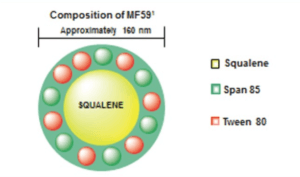
Squalene
One question from the audience was about Squalene which is an ingredient that is added to vaccines and described by the World Health Organisation (WHO) as “a component of some adjuvants that is added to vaccines to enhance the immune response.”
It’s a naturally-occurring substance derived primarily from shark liver oil, found in foods, cosmetics, over-the-counter medications, and supplements. When combined with other ingredients it becomes an adjuvant, which, like aluminium, is added to vaccines to elicit a stronger immune response from the body.
Squalene is a dangerous addition to vaccines as Loretta Bolgan explained:
An oil which causes inflammation at site of injection. Inflammation causes death of tissues at the site of injection. The immune system attends the site of damage to repair. Inflammation is the desired effect of the vaccination. The problem is that when the cells die components of the cells in the extracellular spaces release products of the cells – the DNA and other antibodies resulting in autoimmune diseases. It is an adjuvant and without adjuvants vaccines do not work.
In the case of COVID‑19 mRNA vaccines, the formulations rely entirely on engineered delivery systems, including lipid nanoparticles and nanogels, designed to carry the supposed mRNA material into cells. These nanoscale carriers are highly bioactive and inflammatory, provoking strong reactions in the body as it attempts to process and clear them. I do not accept that viruses, as described by mainstream germ theory, truly exist, nor do I believe that spike proteins are produced from mRNA injections. What people are told is an antigen‑driven immune response may in reality be the body reacting to the injected adjuvants, lipid nanoparticles, and nanogel systems. The fever, swelling, and other various systemic symptoms often attributed to an immune response to a viral protein are likely the body responding to highly reactive, engineered nanoscale materials attempting to navigate and clear foreign substances.
Before the pandemic. Before the marketing. Before the slogans and emergency language. The mRNA platform, built around ionizable lipid nanoparticles, never cleared normal safety thresholds for a reason. Not because the science was unfinished. Not because regulators were overly cautious. But because when this technology was tested honestly, it failed in w…
Synthetic nanoparticles come in countless forms and are used everywhere. Lipid nanoparticles are used in drug formulations and vaccines. Titanium dioxide appears in cosmetics, paints, and food colorants. Zinc oxide is in coatings, sunscreen, and supplements. Silver nanoparticles are in antimicrobial coatings, textiles, and wound dressings. Gold nanoparticles are used in diagnostics and experimental therapies. Carbon nanostructures, including carbon nanotubes and graphene, are in materials and electronics. Silicon dioxide, iron oxide, aluminum oxide, cerium oxide, copper nanoparticles, and quantum dots appear in industrial, medical, and consumer products. These are not rare or accidental exposures. They are engineered to be persistent, reactive, and highly mobile.
The same mechanisms that make nanoparticles toxic in the environment make them toxic in humans. They trigger stress responses, chronic inflammation, and disruption of communication networks in tissues. They accumulate in organs and move freely in ways biology never evolved to handle. Exposure is constant and unavoidable. People are told these products are safe, even as the science of nanotoxicity shows how they interfere with fundamental systems in the body and across ecosystems. Billions are exposed without transparent safety data or understanding of long-term consequences. This is not some kind of magical medical progress or magic. It is reckless. It is a toxic experiment being conducted on human bodies, animals, and the environment. We should not accept it. We should be furious that we are being slowly saturated in materials known to disrupt cells, inflame tissues, and destabilize ecosystems. This is not incidental exposure. It is constant, cumulative, and largely unexamined at the scale it is happening. We are immersed in substances engineered for persistence and reactivity, and told it is innovation.
Most people have no idea about this. I believe one of the major culprits is from geoengineering. Not only does it cause hotter forest fires, it also rains down upon us, literally. The fallout does not discriminate, which begs the question about why lower level actors, e.g. pilots, would knowingly damage their families.
The nano particulate chemTrails they spray us with do make the occasional nice sunset. But none of us signed up for Bill Gate’s Polar Night DimSum party.


![Figure 6. Schematic representation of zeta potential of a nanoparticle. The zeta potential is anot her essential measurement to evaluate the effective electric charge on the surface of nanoparticles and quantify the charges [114]. It is an important measurement to analyse the stability of the colloidal system (probe) and the surface effects of nanoparticles, as it affects he toxicity of nanoparticles as well as the initial absorption of nanoparticles onto the cell membrane [115]. Zeta potential is the electrical potential in the interfacial double layer at the location of the slipping plane, as shown in Figure 6. The zeta potential is measured as the potential difference between the dispersion medium and the stationary layer of the fluid attached to the particle layer (Figure 6). The zeta potential’s magnitude indicates the colloidal system’s potential stability. According to Sivasankaran et al. [116], a higher value of zeta potential indicates the stability of the system, whereas the positive and negative sign of the zeta po charges of nanoparticles, where nanoparticles with low zeta potential value will aggregate. For example, nanoparticles with zeta potentials ential indicate the surface arger than +30 mV are considered as strongly cationic, nanomaterials with zeta potentials value ranging from —10 to +10 mV are seen as neutral, and nanomaterials with zeta potentials less as strongly anionic [117]. Sachdev and Gopinath [ han —30 mV are expressed 18] isolated CDs from coriander leaves by hydrothermal approaches. Zeta potential analysis was evaluated using a zeta potential analyser, and a negative zeta potential value (—24.9 mV) was obtained, which was main associated with the presence of oxygen-containing functional groups (i.e., hydroxyl and he surface of CDs [118]. Ramanan’s group synthesized CDs from carboxylic groups) on t algal bloom through microwave irradiation and successfully obtained a highly negative ze potential value (—22.3 + 8.39 mV), further indicating that synthesized CDs are negative charged and rich in carboxyl functional group [119]. The zeta potential measurement of carbon dot provides va uable insight into the stability and aggregation of the carbon dot. y a y a](https://substackcdn.com/image/fetch/$s_!-Cfh!,f_auto,q_auto:good,fl_progressive:steep/https%3A%2F%2Fsubstack-post-media.s3.amazonaws.com%2Fpublic%2Fimages%2Fefcfaf6b-550d-4704-b7fb-eec7b891aed2_1532x833.jpeg "Figure 6. Schematic representation of zeta potential of a nanoparticle. The zeta potential is anot her essential measurement to evaluate the effective electric charge on the surface of nanoparticles and quantify the charges [114]. It is an important measurement to analyse the stability of the colloidal system (probe) and the surface effects of nanoparticles, as it affects he toxicity of nanoparticles as well as the initial absorption of nanoparticles onto the cell membrane [115]. Zeta potential is the electrical potential in the interfacial double layer at the location of the slipping plane, as shown in Figure 6. The zeta potential is measured as the potential difference between the dispersion medium and the stationary layer of the fluid attached to the particle layer (Figure 6). The zeta potential’s magnitude indicates the colloidal system’s potential stability. According to Sivasankaran et al. [116], a higher value of zeta potential indicates the stability of the system, whereas the positive and negative sign of the zeta po charges of nanoparticles, where nanoparticles with low zeta potential value will aggregate. For example, nanoparticles with zeta potentials ential indicate the surface arger than +30 mV are considered as strongly cationic, nanomaterials with zeta potentials value ranging from —10 to +10 mV are seen as neutral, and nanomaterials with zeta potentials less as strongly anionic [117]. Sachdev and Gopinath [ han —30 mV are expressed 18] isolated CDs from coriander leaves by hydrothermal approaches. Zeta potential analysis was evaluated using a zeta potential analyser, and a negative zeta potential value (—24.9 mV) was obtained, which was main associated with the presence of oxygen-containing functional groups (i.e., hydroxyl and he surface of CDs [118]. Ramanan’s group synthesized CDs from carboxylic groups) on t algal bloom through microwave irradiation and successfully obtained a highly negative ze potential value (—22.3 + 8.39 mV), further indicating that synthesized CDs are negative charged and rich in carboxyl functional group [119]. The zeta potential measurement of carbon dot provides va uable insight into the stability and aggregation of the carbon dot. y a y a")








Most people have no idea about this. I believe one of the major culprits is from geoengineering. Not only does it cause hotter forest fires, it also rains down upon us, literally. The fallout does not discriminate, which begs the question about why lower level actors, e.g. pilots, would knowingly damage their families.
The nano particulate chemTrails they spray us with do make the occasional nice sunset. But none of us signed up for Bill Gate’s Polar Night DimSum party.